Why Customer Experience Is Important: Loyalty, Growth & the Future of Connection

Customers buy how you make them feel as much as what you sell. Why experience now shapes loyalty and growth as much as price or product.customer-experience-basics
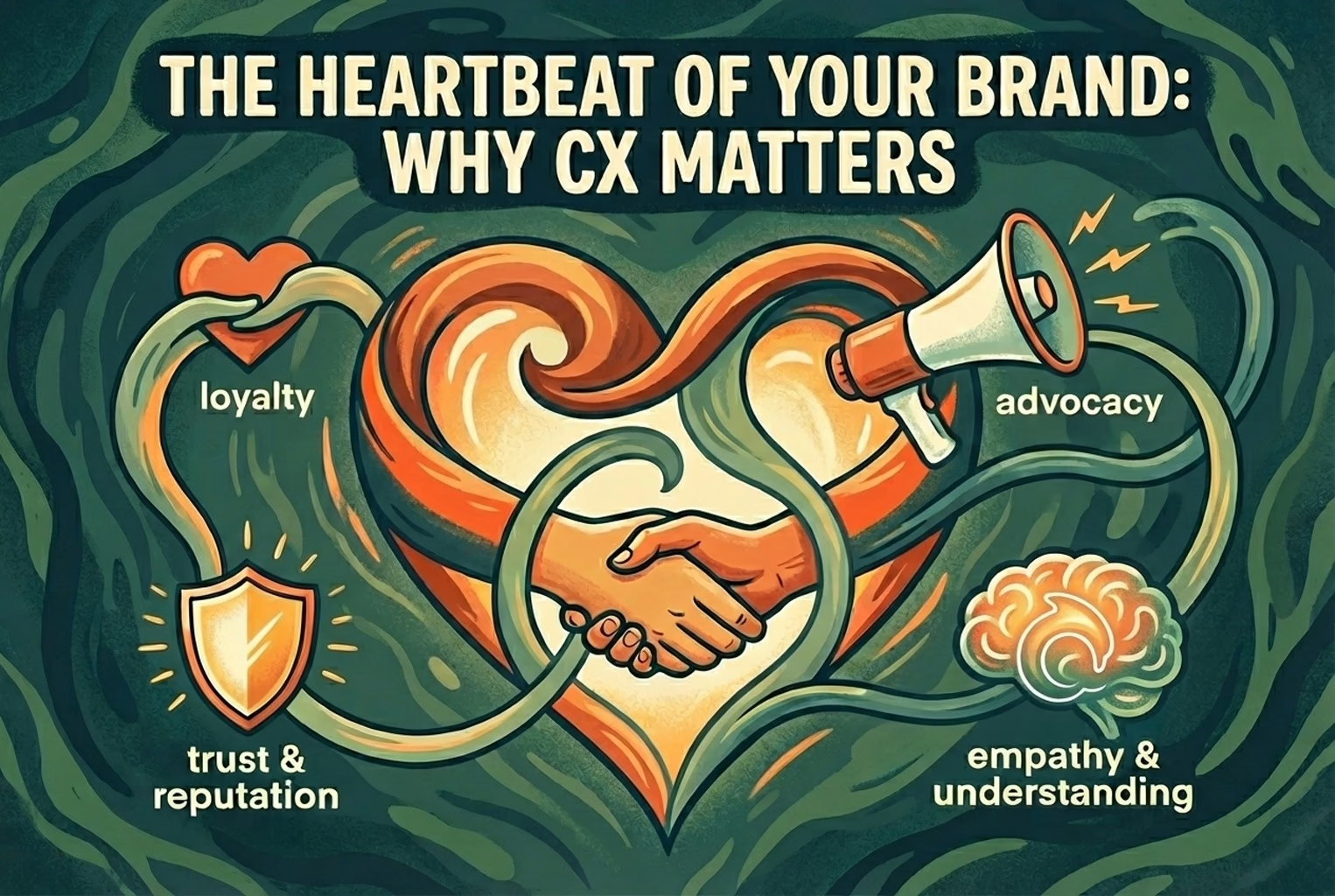
Illustration showing why customer experience matters, with trust, empathy, loyalty, and advocacy forming the heartbeat of a brand.
Last updated

Customers don’t just buy what you sell, they buy how you make them feel.
In today’s marketplace, customer experience (CX) defines success more than price or product. It’s the ongoing relationship between your brand and its audience, built across every touchpoint, emotion, and expectation.

The most successful organisations understand this simple truth: when experiences flow effortlessly, loyalty follows naturally. Customer experience is not a side function, it’s the living heartbeat of your brand.

It Builds Loyalty That Lasts a Lifetime

Customer loyalty used to be a programme; now, it’s an emotion.
When customers feel heard, valued, and remembered, they develop emotional loyalty, the kind that survives a minor mistake, price change, or new competitor.

CX turns transactions into relationships. A single positive experience, like a seamless refund, a warm thank you message, or a proactive support chat, becomes a lasting memory.

It Drives Growth Through Retention and Referrals

CX isn’t a soft skill, it’s a growth engine.

When experiences delight, they spark advocacy. Referrals reduce acquisition costs, repeat purchases improve profitability, and long-term relationships raise lifetime value.

It Strengthens Brand Reputation and Trust

Reputation no longer comes from advertising; it comes from experience.
Every interaction leaves an emotional fingerprint, and in the age of reviews, that fingerprint is public.

CX directly shapes how your brand is perceived. A thoughtful email, a quick resolution, or a clear digital experience communicates competence and care. Customers don’t just trust what you say, they trust how you behave.

It Reduces Churn and Improves Operational Efficiency

Every customer who leaves costs far more than one who stays.
Yet customers don’t only leave over price or product.
Long waiting times, unclear processes, or unempathetic responses drive silent attrition.

Strong CX anticipates problems, resolves them early, and turns potential losses into retained relationships. When customers find it easy to get help or complete actions, they stay.

The Tangible Business Value of CX

Investing in customer experience creates tangible financial returns, known as Return on Experience (ROX). It’s measurable across revenue, retention and reputation.

CX Benefit

Business Impact

Increased Retention

Loyal customers spend more and stay longer.

Lower Acquisition Cost

Referrals reduce the need for paid marketing.

Higher Efficiency

Self-service and proactive communication cut costs.

Improved CLV

Happy customers drive ongoing revenue.

Stronger Advocacy

Promoters share experiences organically.

Building a CX-Driven Organisation

A strong CX culture is designed, not declared. It requires leadership, empathy and continuous listening.

  1. Lead with Empathy: Train every team to see through the customer’s perspective. Every policy or message should begin with: “How will this make the customer feel?”
  2. Design for Clarity and Flow: Simplify navigation, payment and communication. Friction undermines trust faster than failure.
  3. Listen, Learn, Adapt: Use surveys, chat logs and analytics to spot emerging pain points. CX is a moving target, adaptation keeps it alive.
  4. Personalise with Purpose: Personalisation is powerful when it’s relevant and respectful. Predict needs without intruding on privacy.
  5. Measure What Matters: Use CX metrics such as CSAT, NPS, CES and CLV to connect experience quality to business performance. These reveal both satisfaction and the effort required to maintain it.

CX Happens

A customer clicks “Help.” They expect a queue, a form, maybe frustration.
Instead, they’re greeted by name, given a clear answer and even a follow-up suggestion.

That’s not just good service, that’s a moment of CX magic.

Every brand has these moments. The challenge is recognising them, replicating them and amplifying them until excellence becomes second nature.

CX happens, but only great brands make it happen by design.

Flow Forward

Customer experience is where your brand lives, not in your product, but in people’s memory of it.
When experiences are consistent, seamless and emotionally intelligent, they create resonance, a sense of belonging between brand and customer.

Flow Forward: AskDolphin brings website chat, email and QR-code conversations into one shared workspace, where Dolphin AI answers from approved business knowledge and hands the conversation to your team when it needs a person.

Frequently asked questions

What makes customer experience so important?

It shapes how customers perceive your brand, whether they stay, and whether they recommend you. Experience is the part of the relationship people remember once the transaction is over.

Is customer experience different from customer service?

Yes. Customer service is what happens when someone asks for help. Customer experience covers the whole relationship, from first awareness through to advocacy.

How does customer experience affect business growth?

Better experiences improve retention and encourage referrals, which lowers the cost of finding new customers and raises the value of the ones you keep.

How does better customer experience reduce churn?

Customers leave over long waits, unclear processes and replies that miss the point. Spotting that friction early and answering it well removes the reasons to go elsewhere.

Which metrics should you use to measure customer experience?

CSAT, NPS, CES and customer lifetime value are the common ones. Together they show how satisfied customers are and how much effort the relationship costs them.

How does AI fit into customer experience?

AI can answer common questions from approved business knowledge and keep the tone consistent across channels, then hand the conversation to a person when it needs one.

Where should a small team start?

Listen first. Gather feedback, map the journey your customers actually take, and fix the friction you find before adding anything new.

More inCustomer Experience Basics

AI Chat on Shopify Without the HeadacheAI Chat on Shopify Without the Headache

AI Chat on Shopify Without the Headache

Most merchants do not need more chat. They need fewer repeat questions after purchase. This article covers what works when merchants add AI chat on Shopify, where it breaks, and how QR support takes pressure off chat and email.

AI Support Without Dodgy AnswersAI Support Without Dodgy Answers

AI Support Without Dodgy Answers

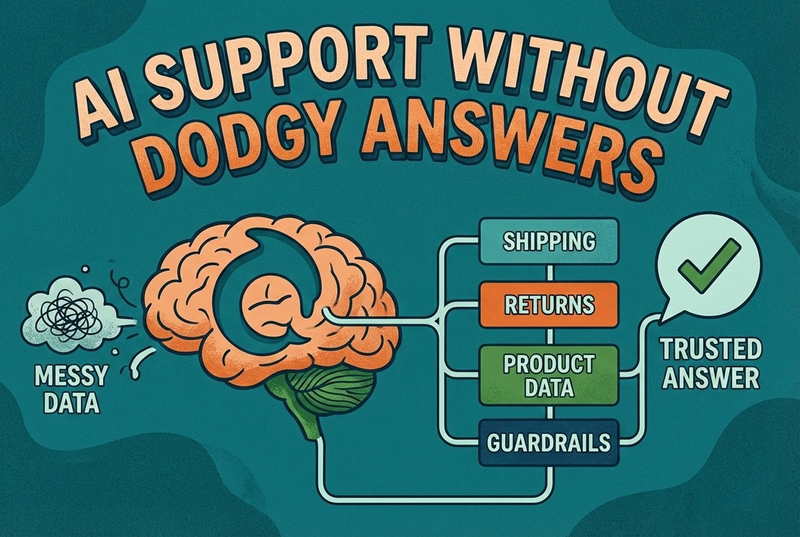
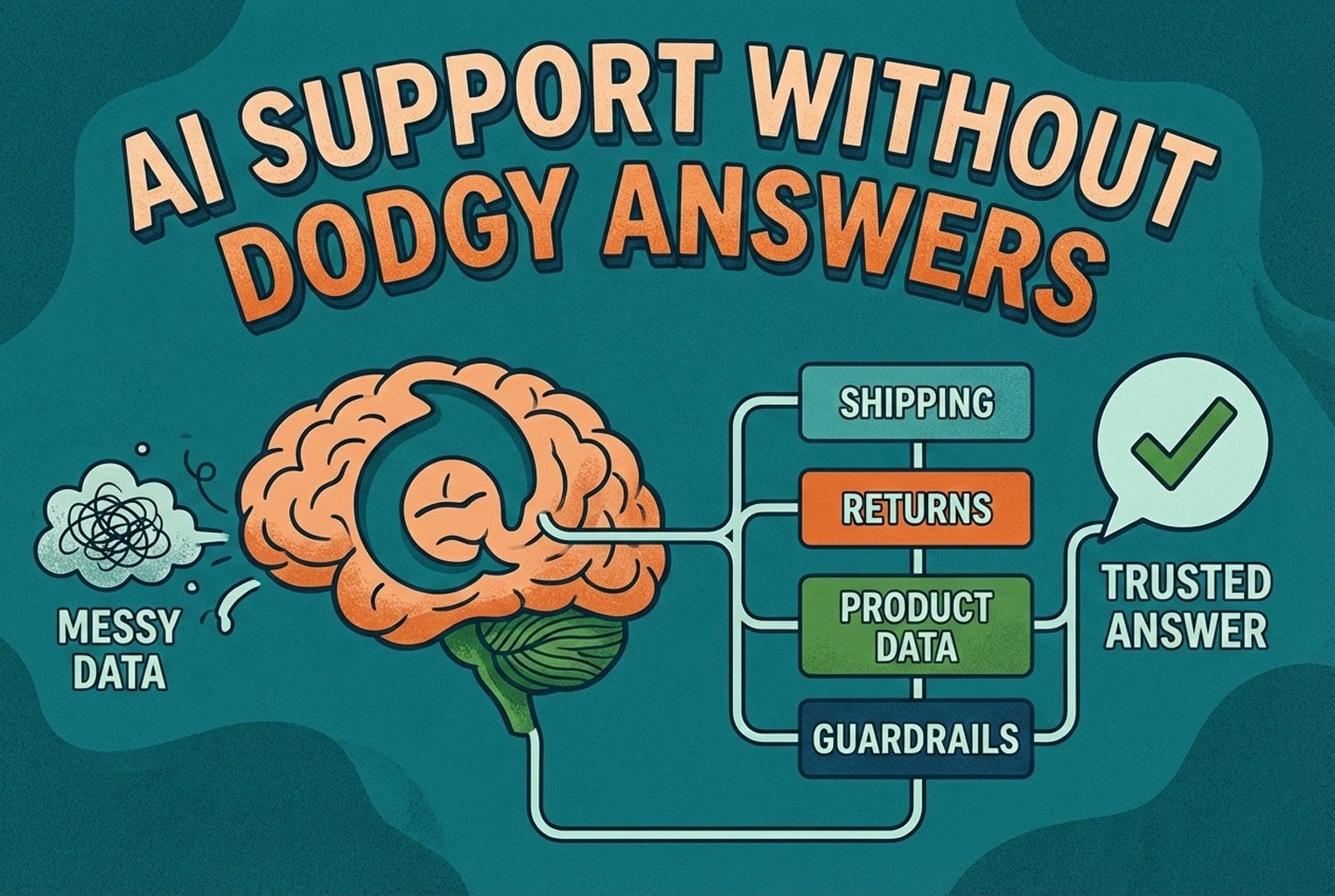
AI support usually fails when the knowledge behind it is messy. This guide shows how ecommerce teams structure shipping, returns, product data, guardrails, and human handoffs so answers stay accurate and policy-safe.

25 Product Questions That Quietly Kill Sales25 Product Questions That Quietly Kill Sales

25 Product Questions That Quietly Kill Sales

Shoppers rarely abandon because they dislike a product. They leave when delivery, returns, sizing, or compatibility answers are missing. This case study lists 25 sales-blocking questions and how synced knowledge keeps replies accurate.

Post-Purchase CX Tools That Cut Support TicketsPost-Purchase CX Tools That Cut Support Tickets

Post-Purchase CX Tools That Cut Support Tickets

Post-purchase support often becomes most of the inbox: tracking, delays, returns, and refund follow-ups. This playbook shows the simplest tools retail teams use to deflect repeat tickets and keep expectations clear.

QR Code Customer Support: In-Store and Post-PurchaseQR Code Customer Support: In-Store and Post-Purchase

QR Code Customer Support: In-Store and Post-Purchase

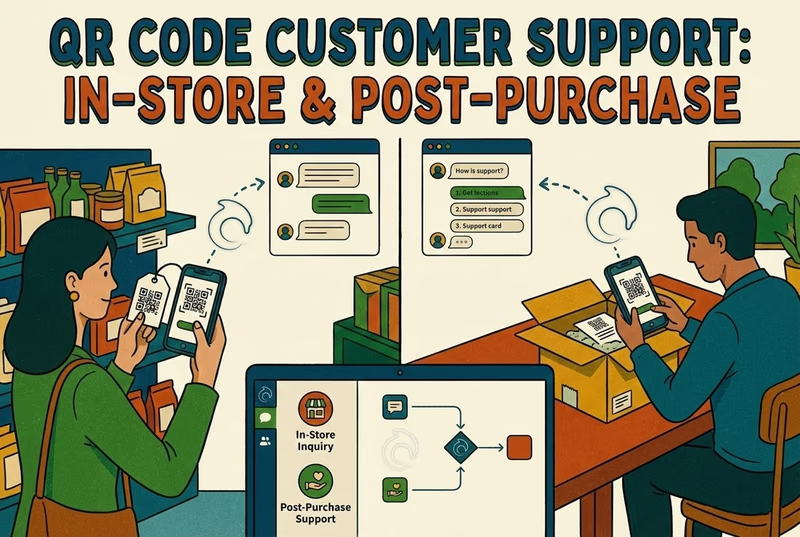
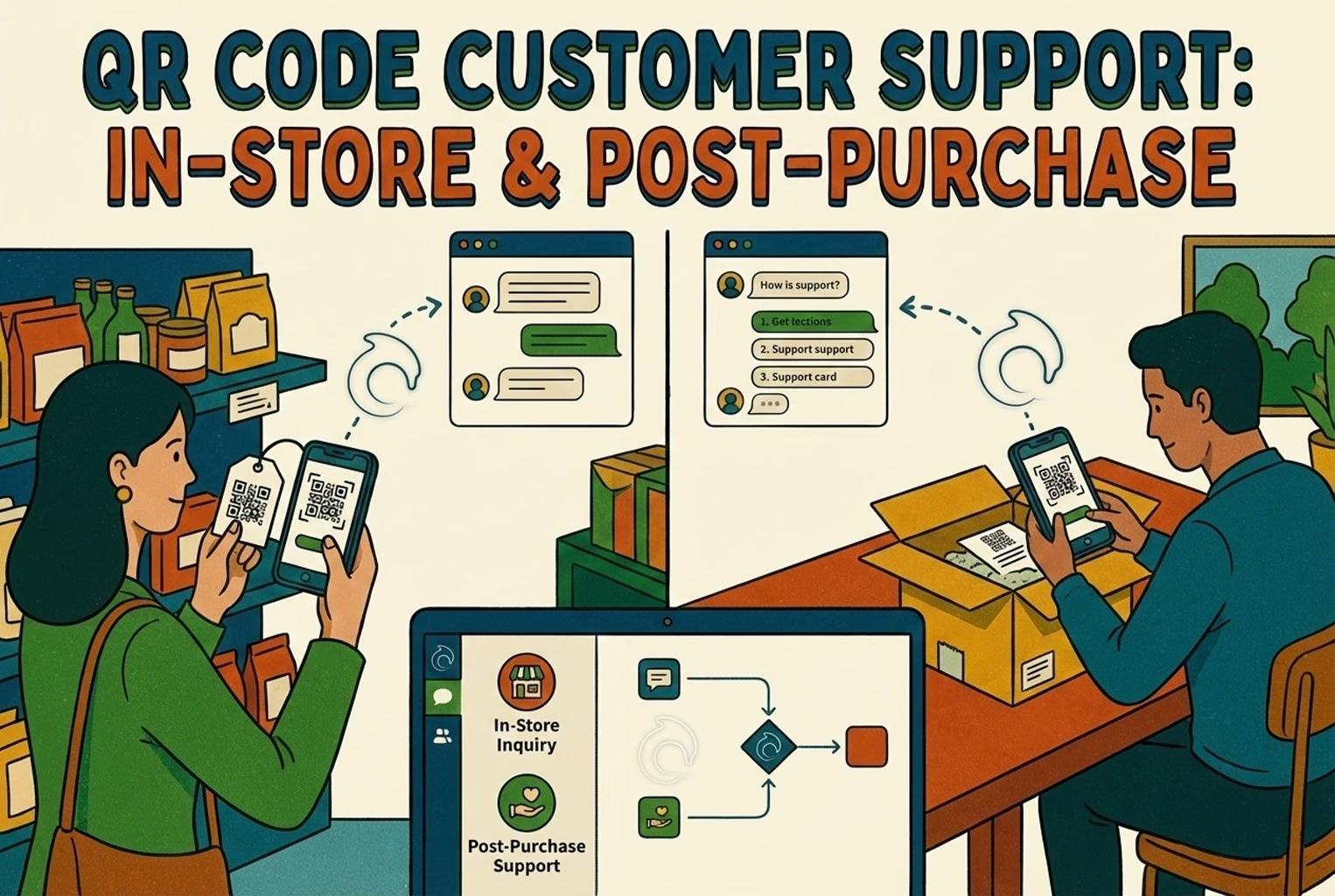
Hard-to-find staff in-store and post-purchase questions flooding email? This playbook shows where to place support QR codes, what scans should open, and how to route chats into one shared inbox with human handover when needed.

QR Codes by SKU: Make Unboxing Support Dead SimpleQR Codes by SKU: Make Unboxing Support Dead Simple

QR Codes by SKU: Make Unboxing Support Dead Simple

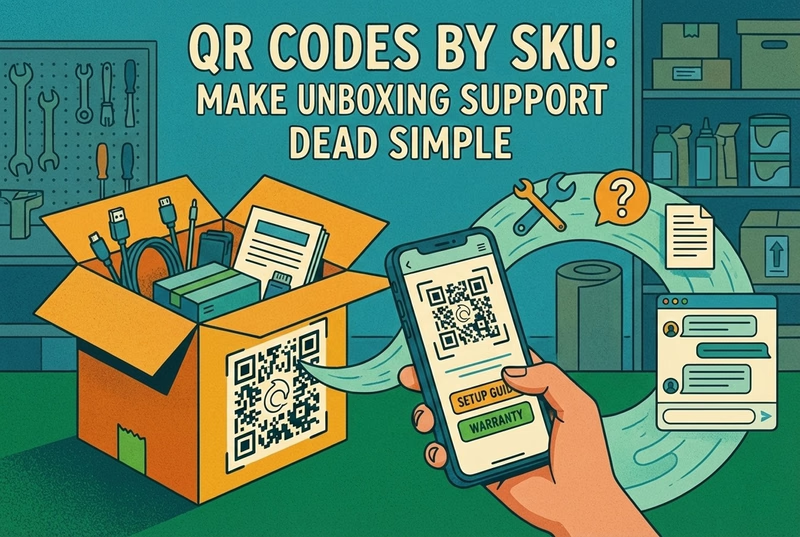
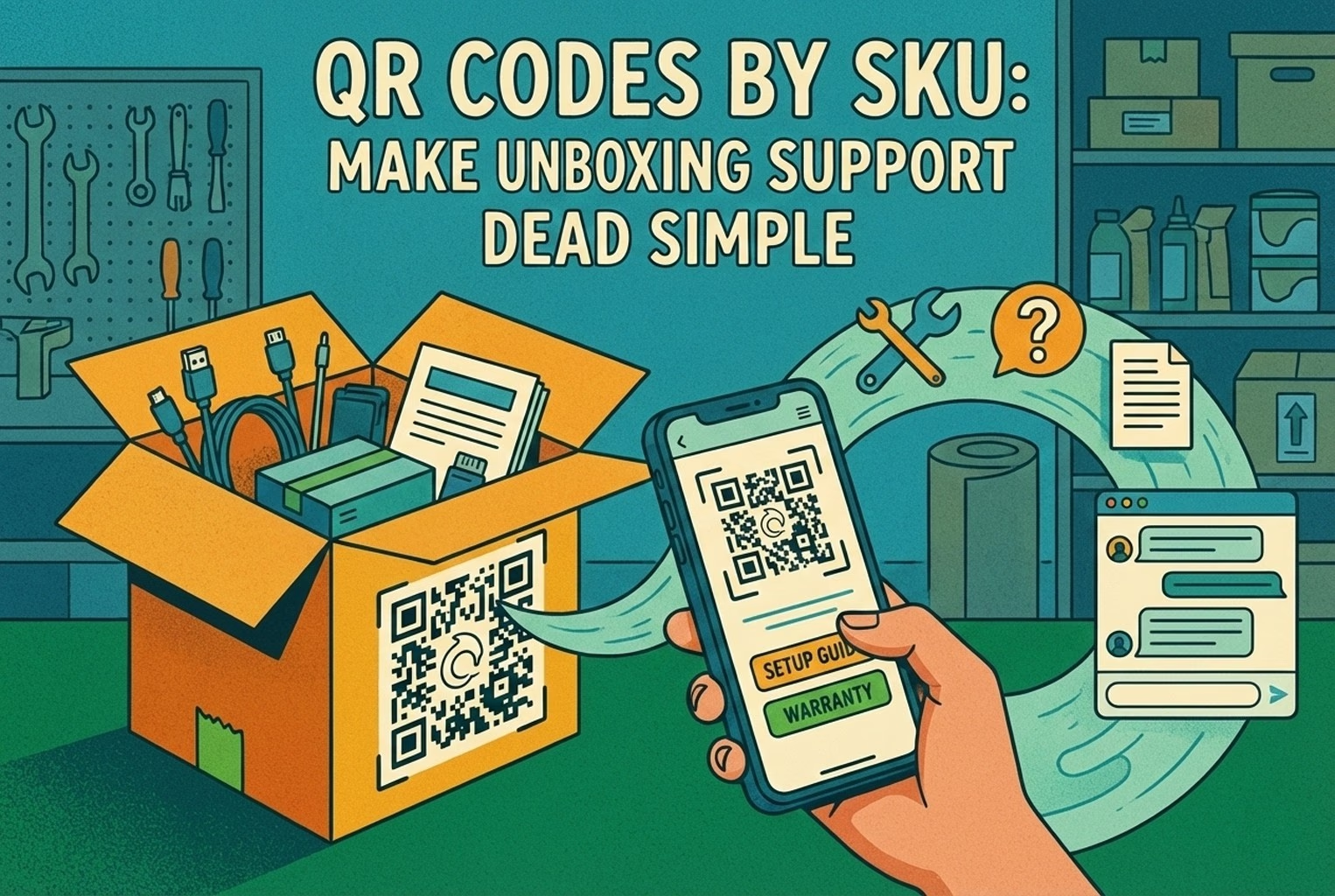
Unboxing support breaks when agents cannot tell which variant a customer holds. This guide shows how SKU-level QR codes on packaging open the right help, with placement tips, static vs dynamic choices, and rollout templates.

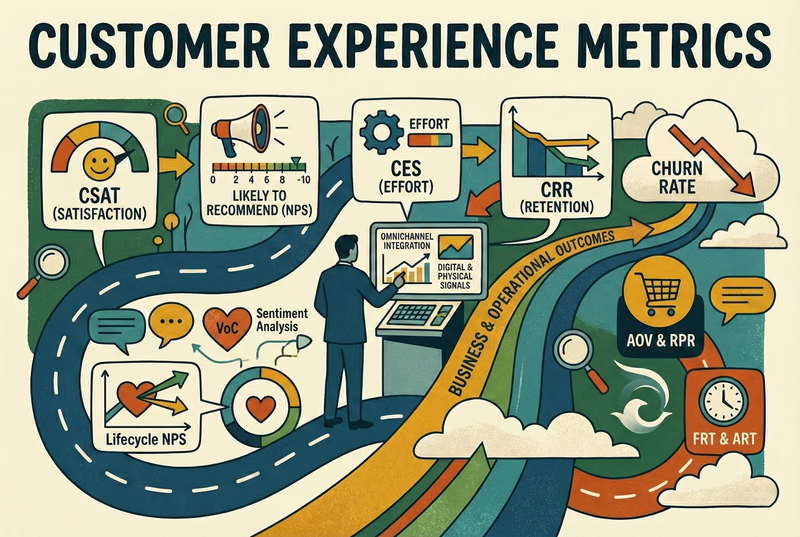
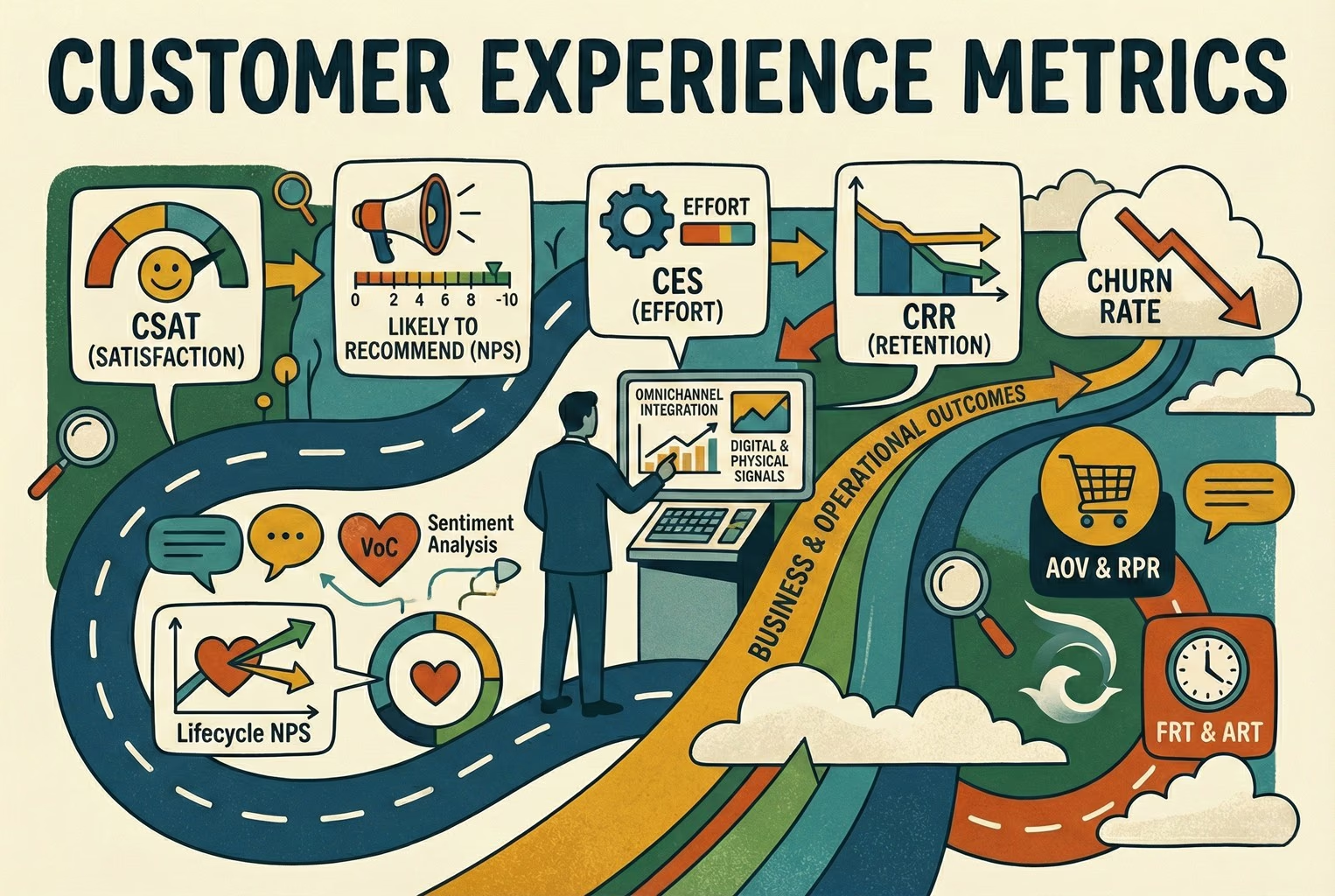
Customer Experience MetricsCustomer Experience Metrics

Customer Experience Metrics

Which customer experience metrics are worth measuring, what each one tells you, and how to track them across digital, physical and omnichannel touchpoints.

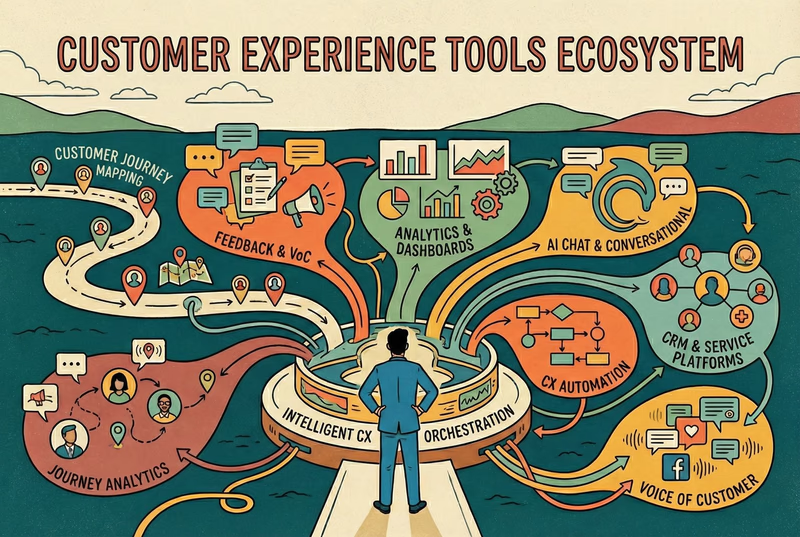
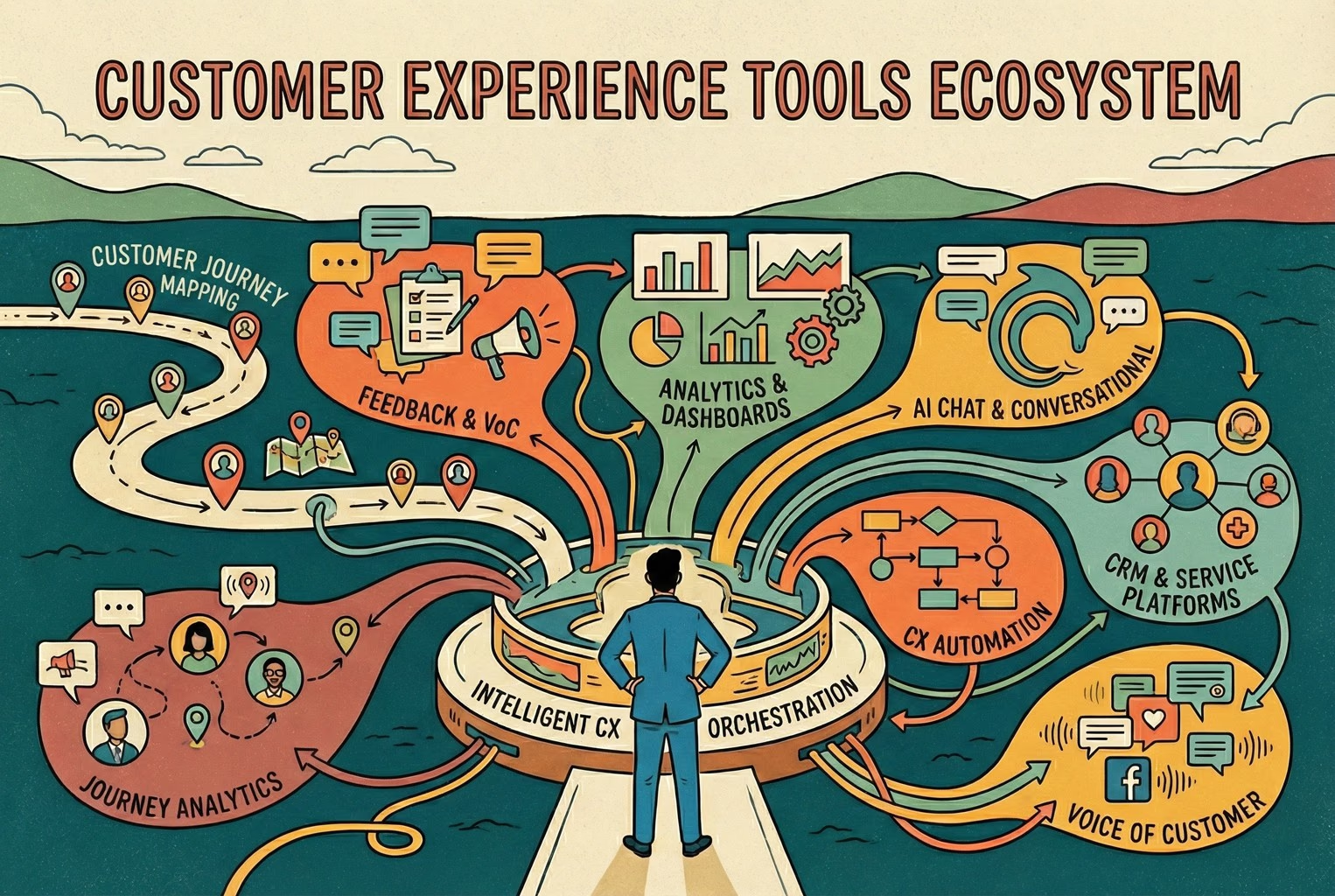
Customer Experience Tools for Retail TeamsCustomer Experience Tools for Retail Teams

Customer Experience Tools for Retail Teams

You do not need a forty-tool CXM stack. This guide maps the practical customer experience tools ecommerce and retail teams use for chat, email, QR support, approved knowledge, and human handover.

Multilingual Support Without the ChaosMultilingual Support Without the Chaos

Multilingual Support Without the Chaos

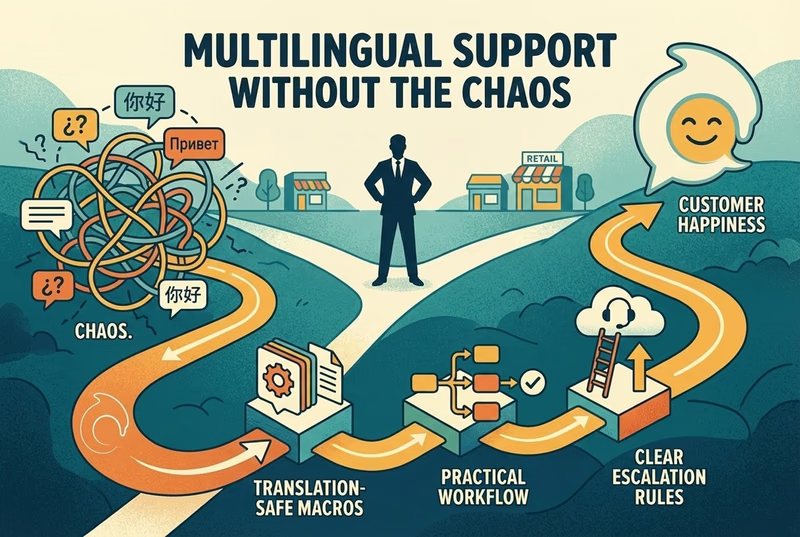
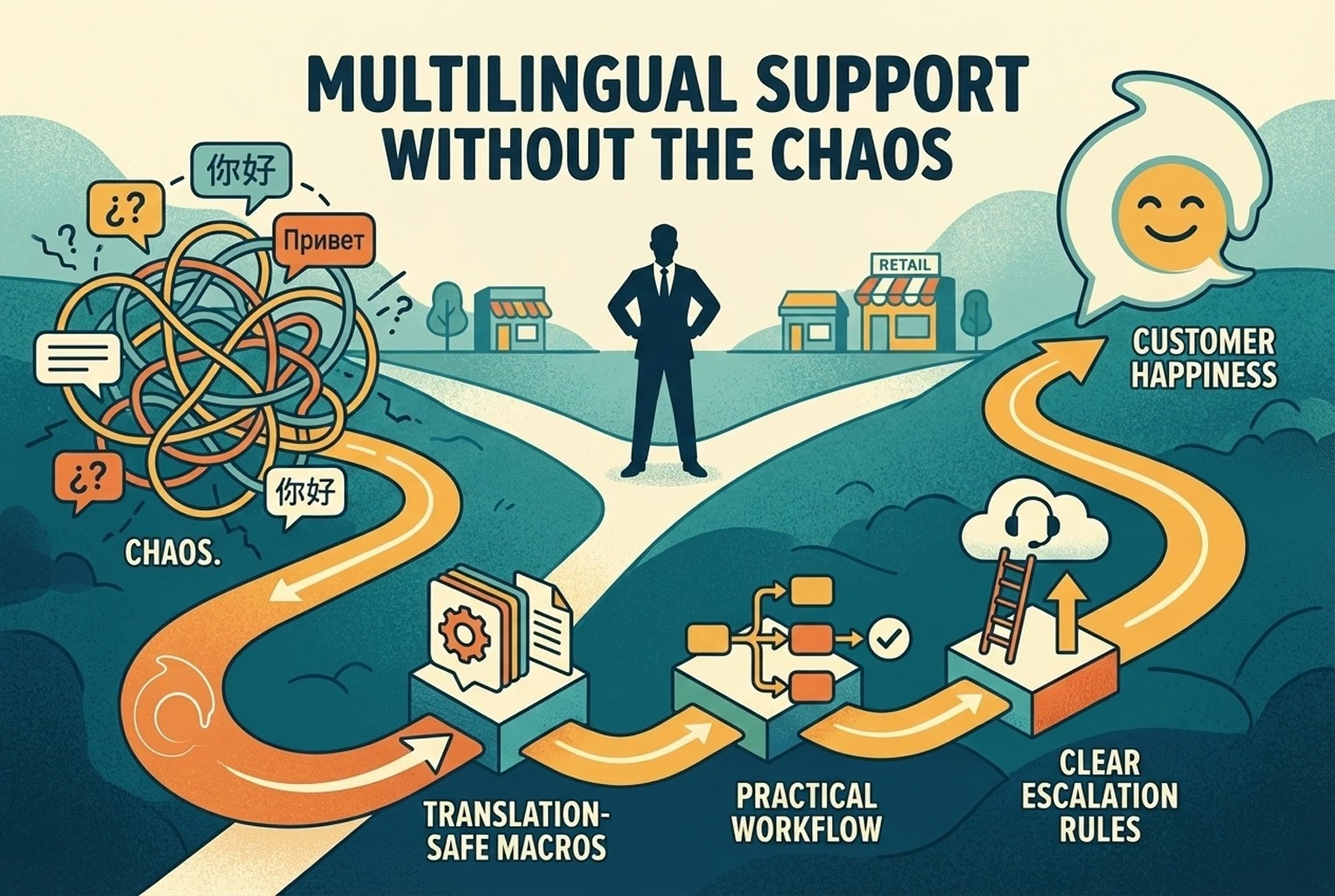
Selling across borders should not turn support into chaos. This playbook shows how retail teams handle multilingual chat and email with translation-safe macros, clear escalation rules, and QA habits that protect quality.

Stop losing the quiet ones.

Install it in a minute. It starts working on your next visitor.

14 days, every feature.