Dolphin AIAnswer from approved knowledge with human control.AI Sales AssistantNewRecognize intent and suggest approved actions.Commerce ActionsNewHelp customers complete supported Shopify actions.Human ControlControl approvals, handover, and sensitive actions.
Intelligence and Knowledge
Session Replay & AnalyticsNewReplay journeys and understand visitor behaviour.AI Insights & ReportsNewTurn customer activity into clear recommendations.Data SourcesConnect websites, products, FAQs, and knowledge.Help CenterOne content base for self-service and AI answers.
Product intro
AskDolphin PlatformConnect conversations, AI, knowledge, and insights.
By business
Ecommerce & ShopifySupport shoppers before and after every purchase.Retail & OmnichannelConnect support with stores, products, and QR.AgenciesManage client enquiries, email, and websites.Service BusinessesPresent services, capture leads, answer questions.Freelancers & IndividualsManage client email and enquiries with AI.Small & Growing TeamsBring conversations and teamwork into one place.
By goal
Customer SupportAnswer questions across chat, email, and QR.Sales & ConversionEngage intent and guide customers to action.Website IntelligenceFind friction through sessions and behaviour.Shared EmailUse AI-assisted email without needing a website.In-store & QR SupportGive customers help in physical locations.Post-purchase SupportSupport orders and customers after purchase.
Solutions intro
View all solutionsFind the right workflow for your business.
Dolphin AIAnswer from approved knowledge with human control.AI Sales AssistantNewRecognize intent and suggest approved actions.Commerce ActionsNewHelp customers complete supported Shopify actions.Human ControlControl approvals, handover, and sensitive actions.
Intelligence and Knowledge
Session Replay & AnalyticsNewReplay journeys and understand visitor behaviour.AI Insights & ReportsNewTurn customer activity into clear recommendations.Data SourcesConnect websites, products, FAQs, and knowledge.Help CenterOne content base for self-service and AI answers.
Product intro
AskDolphin PlatformConnect conversations, AI, knowledge, and insights.
By business
Ecommerce & ShopifySupport shoppers before and after every purchase.Retail & OmnichannelConnect support with stores, products, and QR.AgenciesManage client enquiries, email, and websites.Service BusinessesPresent services, capture leads, answer questions.Freelancers & IndividualsManage client email and enquiries with AI.Small & Growing TeamsBring conversations and teamwork into one place.
By goal
Customer SupportAnswer questions across chat, email, and QR.Sales & ConversionEngage intent and guide customers to action.Website IntelligenceFind friction through sessions and behaviour.Shared EmailUse AI-assisted email without needing a website.In-store & QR SupportGive customers help in physical locations.Post-purchase SupportSupport orders and customers after purchase.
Solutions intro
View all solutionsFind the right workflow for your business.
Customer Touchpoints: How to Create a Strategy That Makes Every Moment Flow
AskDolphinPublished8min read
A touchpoint is any moment that shapes how someone sees you, including the silence after a complaint. How to map, design and measure them.customer-experience-basics
Last updated
On this page
What Are Customer Touchpoints?
A customer touchpoint is any interaction that shapes perception, search results, a chat reply, store visits, a delivery, or even the silence after a complaint. These touchpoints form the living story of your brand. Designing and managing them deliberately turns scattered encounters into a coherent, trusted experience.
How to Create a Strategic Touchpoint Plan
A touchpoint strategy makes sure every interaction counts. It gives structure to how you find, design, and measure the moments that matter most.
1. Discover every touchpoint. List every way customers interact with you — ads, sites, packaging, delivery, emails, phone calls, returns, and feedback loops.
2. Prioritise what matters. Score each one by its reach, emotional impact, and business value. Focus on the touchpoints that most influence trust or loyalty.
3. Design deliberately. Plan what each touchpoint should achieve — awareness, reassurance, or delight — and align tone, timing, and content.
Connecting the Flow: Before, During and After the Sale
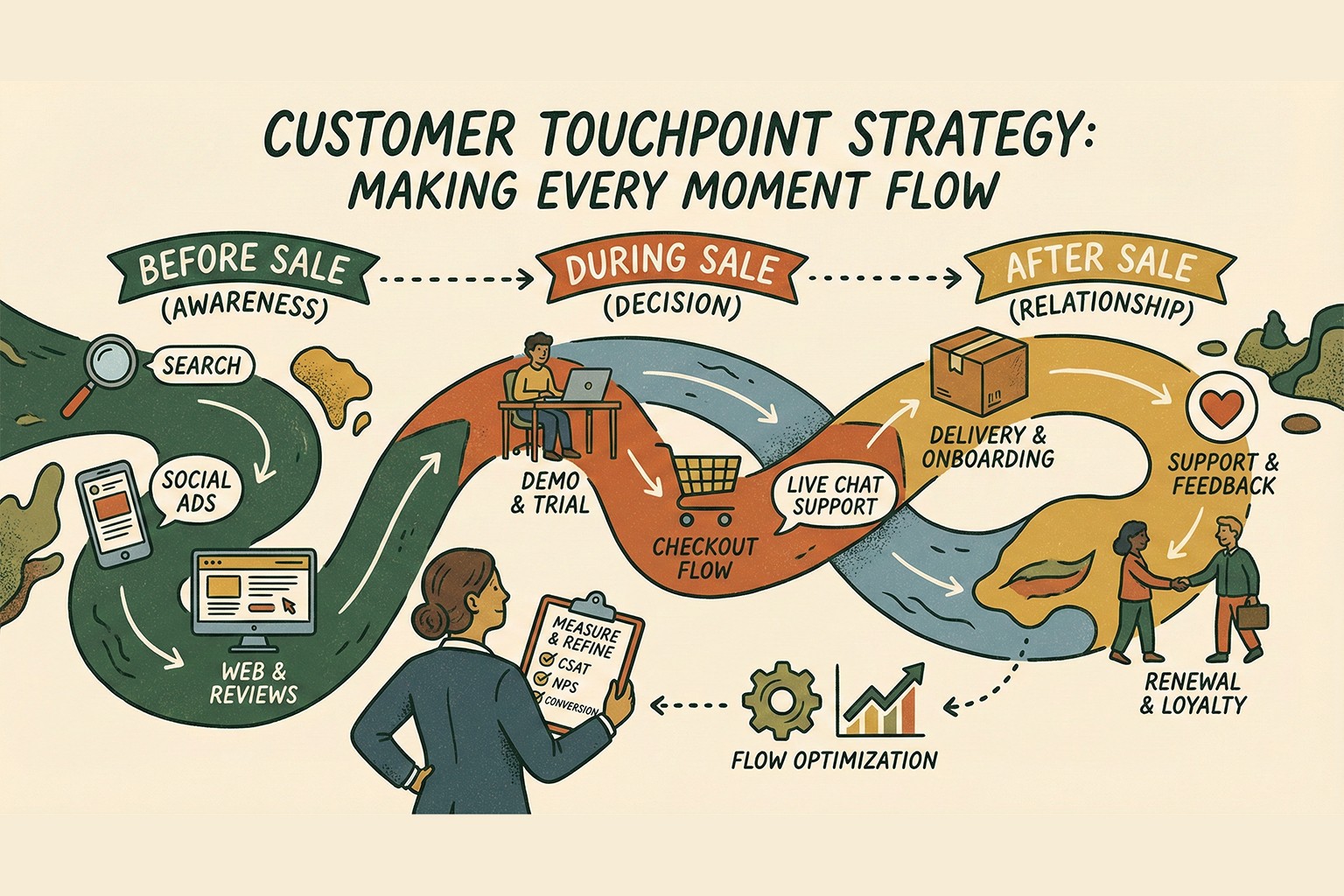
Every customer relationship moves through three broad phases, before, during, and after the sale.
Each stage carries its own expectations, emotions, and opportunities to create trust. By designing touchpoints around these phases, you can shape a journey that feels continuous rather than fragmented. The goal isn’t to manage transactions, but to make the entire experience feel effortless, from first discovery to long-term loyalty.
Before the Sale, Awareness and First Impressions
Before customers ever speak to you, they’ve already met you. They’ve searched, compared, and formed opinions.
Common touchpoints include:
Search-engine results and business listings
Online adverts and social posts
Website and product pages
Reviews and testimonials
Window signage and in-store displays
Word-of-mouth and community mentions
Design focus: make discovery easy, communication clear, and first contact helpful. Every pre-sale touchpoint should earn confidence and lower effort.
During the Sale, Decision and Conversion
This is where curiosity becomes commitment. Customers are comparing, questioning, and deciding.
Key touchpoints:
Demos, trials, consultations
Basket and checkout flows
Payment confirmation and delivery options
Live chat or phone guidance
Point-of-sale and in-store support
Design focus: remove friction, answer doubts, and make action feel safe and simple. Trust grows when everything works first time.
After the Sale, Relationship and Retention
The purchase is the midpoint, not the end. Touchpoints here sustain satisfaction and build loyalty.
Typical touchpoints:
Thank-you emails and follow-ups
Delivery experience and packaging
Onboarding guides or tutorials
Help centre, service calls, feedback requests
Renewal reminders, loyalty rewards, community invitations
Design focus: keep promises, resolve issues quickly, and show appreciation. Every post-purchase interaction should reinforce trust.
Why These Phases Matter
Every customer journey has a rhythm. It begins with curiosity, builds through trust, and continues long after the purchase. Each stage creates opportunities to strengthen connection and the quality of those moments defines how customers feel about your brand.
Before buying, people search, compare, and decide if you’re worth their time. Clear, honest communication builds confidence early. During the buying process, they expect simplicity and reassurance, smooth checkouts, quick answers, and helpful guidance. Afterward, they remember how you followed up: the delivery that arrived on time, the thank-you email that felt personal, or the support that solved their problem fast.
When these touchpoints work together, the experience feels effortless. Customers stop noticing steps, the kind of journey that turns trust into loyalty and loyalty into lasting advocacy.
Design Principles for Effective Touchpoints
Designing effective customer touchpoints isn’t about adding more moments, it’s about making each one matter. Every interaction should be simple, purposeful, and consistent across your brand. When touchpoints are designed well, customers move through your journey naturally without needing to think about it.
Start by making things clear and intuitive. Use language that’s human, not technical. Every click, call, or message should feel easy to understand. Keep paths short and remove unnecessary choices. Simplicity creates confidence.
Next, build emotional reassurance into your design. A human tone, visible progress, quick confirmations, and fast responses help customers feel secure. Consistency matters too, whether someone visits your site, calls support, or opens an email, the brand should sound and feel the same.
Finally, design for the moments when things go wrong. Mistakes happen, deliveries get delayed, links break, payments fail. What customers remember isn’t the problem itself but how you respond. A clear apology and quick recovery can strengthen trust more than perfection ever could.
How to Identify Customer Touchpoints Across the Journey
Understanding where and how customers interact with your brand is the foundation of every successful touchpoint strategy. Each moment, from the first search to the final follow-up, shapes how people perceive your brand, how easy they find it to engage, and how likely they are to return. Mapping touchpoints across the customer journey helps you see the full picture: what’s working, what’s missing, and where effort outweighs value.
1. Step Into Your Customer’s Shoes
Start by tracing your brand the way a customer would, from discovery to purchase, then to support and renewal. Ask questions like: How would I find this company? How would I buy? Who would I contact if something went wrong? This practical walkthrough reveals the real interactions customers face, not just the ones you designed.
2. List Every Possible Touchpoint
Include both visible and behind-the-scenes moments.
Visible touchpoints: adverts, emails, web pages, store visits, packaging, chat, calls, and social media.
Behind-the-scenes touchpoints: payment systems, stock updates, automated emails, delivery tracking, and post-service surveys. Even the smallest technical delay can influence the overall experience.
3. Organise by Journey Stage
Place each touchpoint within the journey stages: awareness, consideration, purchase, onboarding, retention, loyalty, and advocacy. This shows where your customers spend most of their time and where they might drop off. When mapped visually, the customer journey becomes a sequence of connected touchpoints, not isolated steps.
4. Gather Real Customer Insight
Don’t rely only on internal assumptions. Use analytics, feedback, surveys, and service transcripts to see how people actually move between touchpoints. Patterns will emerge, common entry points, moments of hesitation, and recurring frustrations. These insights help you focus on the touchpoints that have the most emotional and commercial impact.
5. Prioritise and Optimise
Once you have a complete map, score each touchpoint by:
Reach: how many customers it affects
Risk: what happens if it fails
Emotion: how strongly it shapes perception
Value: how much it contributes to conversion or retention
This framework highlights which touchpoints deserve immediate improvement and which already perform well.
6. Collaborate and Refine
Customer touchpoints are dynamic, not static.
Revisit your list every few months and include teams across marketing, product, service, and operations. When everyone sees how their work fits into the customer journey, collaboration becomes easier, and improvements have a larger effect.
Flow Insight
Identifying touchpoints isn’t about counting interactions, it’s about understanding the experience that connects them. When you can see where customers start, pause, and stay, you can shape a journey that feels natural, effortless, and designed with purpose.
Measuring Touchpoints
If you can measure it, you can improve it. Each touchpoint has a purpose, awareness, conversion, reassurance, or retention and each can be linked to metrics that show how well it works.
Phase
Metrics
Purpose
Before the sale
Click-through rate (CTR), engagement rate, new visitor percentage
Beyond numbers, combine analytics with human feedback. Reviews, open comments, and social listening often reveal why metrics move. The strongest insight comes from blending both, data shows what’s happening; emotion explains why.
Mapping the Customer Journey
Touchpoints come to life when you see how they connect. A customer journey map helps you visualise where customers engage, how emotions shift, and where small improvements can have the biggest impact. It shows the difference between what customers do and what they feel and that’s where meaningful design begins.
The Eight Stages of the Journey and Their Touchpoints
Stages
Touchpoints
Customer Emotion
Goal
Awareness
Ads, search, social content, word-of-mouth
Curiosity
Be visible and relevant
Consideration
Website, product info, comparisons, chat support
Interest → Hope
Build clarity and trust
Evaluation
Reviews, demos, trials, peer advice
Expectation → Assurance
Provide proof and transparency
Decision
Checkout, payment, confirmation
Excitement + relief
Keep it fast and secure
Experience
Welcome email, tutorials, delivery experience
Curious or uncertain
Guide clearly and celebrate success
Retention
Updates, renewals, service touchpoints
Confidence
Deliver reliability and continued value
Loyalty
Rewards, personal offers, thank-you notes
Pride
Recognise and appreciate customers
Advocacy
Reviews, referrals, community, social mentions
Gratitude + joy
Encourage and amplify their voice
CX Happens
Let’s be honest: not every touchpoint goes as planned. A promo code that “definitely worked yesterday.” A chatbot that forgets its manners. A delivery that decides to take the scenic route.
These moments make or break how customers feel, they also remind us why design matters. A quick fix, a human apology, or even a dash of humour can turn a mini-disaster into a moment of delight.
Because in the end, CX happens, how you handle it decides what happens next.
Flow Forward
Touchpoints are how your brand speaks, not through slogans, but through everyday moments that prove you care. When each interaction is consistent, kind, and easy, customers don’t just move through your journey, they feel part of it.
That’s the power of flow: when every touchpoint connects naturally, loyalty follows effortlessly.
Frequently asked questions
What is a customer touchpoint?
Any moment when a person interacts with your brand — online, in store, or after the purchase. That includes the ones you did not design, such as a delayed delivery or the silence after a complaint.
How do I identify touchpoints in my business?
Walk the customer’s path yourself, from discovery through to support and renewal. Map every interaction and look for the hidden ones: confirmations, stock updates, automated emails, delivery tracking.
Which touchpoints are most important?
The ones that shape emotion or trust: first impressions, checkout, delivery, and service recovery. Score the rest by reach, risk, emotional weight and contribution to conversion or retention.
How can I improve weak touchpoints?
Simplify the process, clarify the communication, and test small changes that reduce effort. Keeping paths short and language human does more than adding new moments.
How do I measure success?
Track engagement and conversion before the sale, checkout completion during it, and satisfaction, effort and repeat purchase after it. Read the open comments alongside the scores — the numbers show what moved, the comments show why.
Are touchpoints the same as channels?
No. Channels are where interactions happen; touchpoints are the moments that happen there. One channel can hold several touchpoints.
Why is recovery considered a touchpoint?
Because how you handle a mistake shows your brand’s character more clearly than anything that goes to plan. A clear apology and a fast fix can build more trust than the problem cost you.
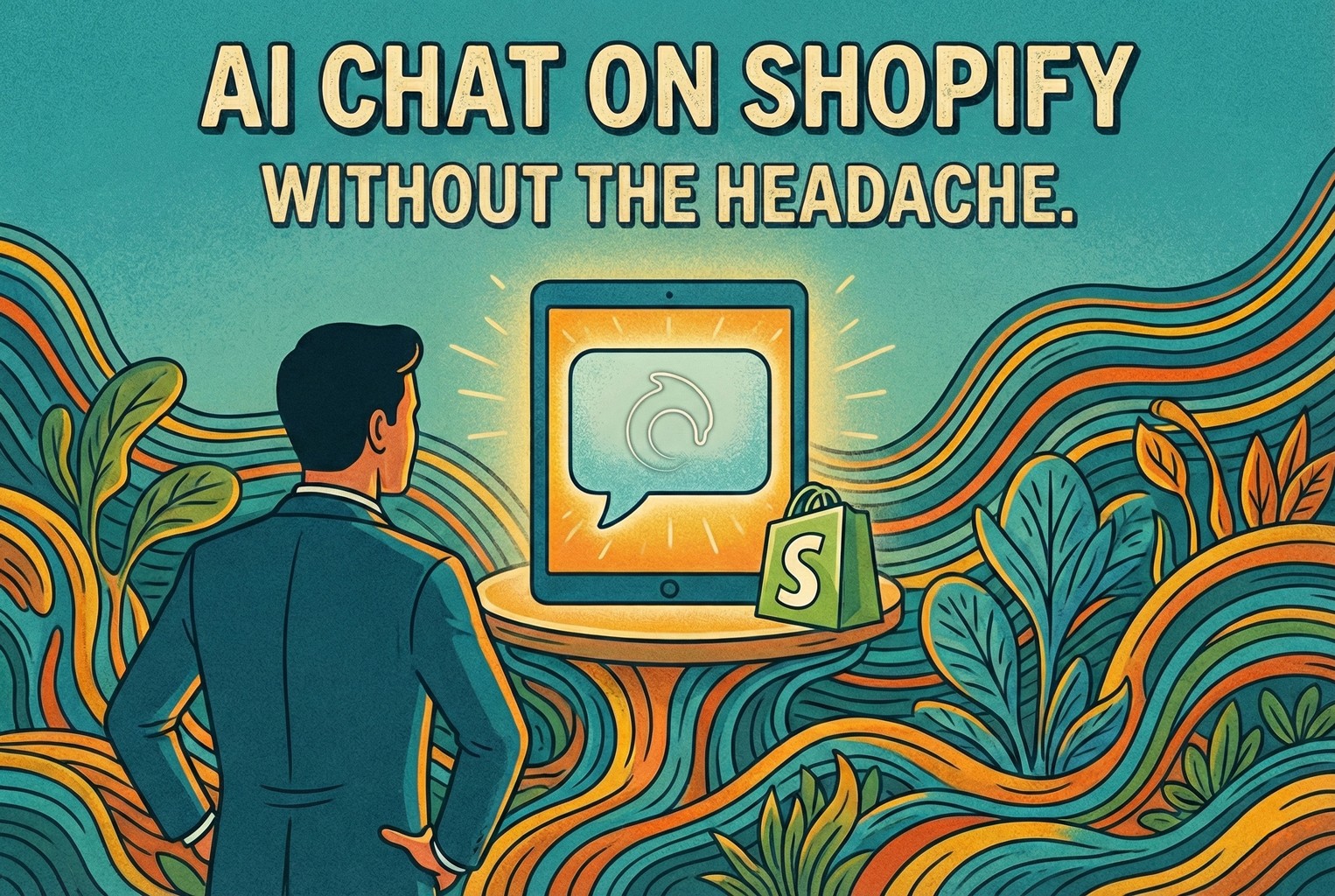
Most merchants do not need more chat. They need fewer repeat questions after purchase. This article covers what works when merchants add AI chat on Shopify, where it breaks, and how QR support takes pressure off chat and email.
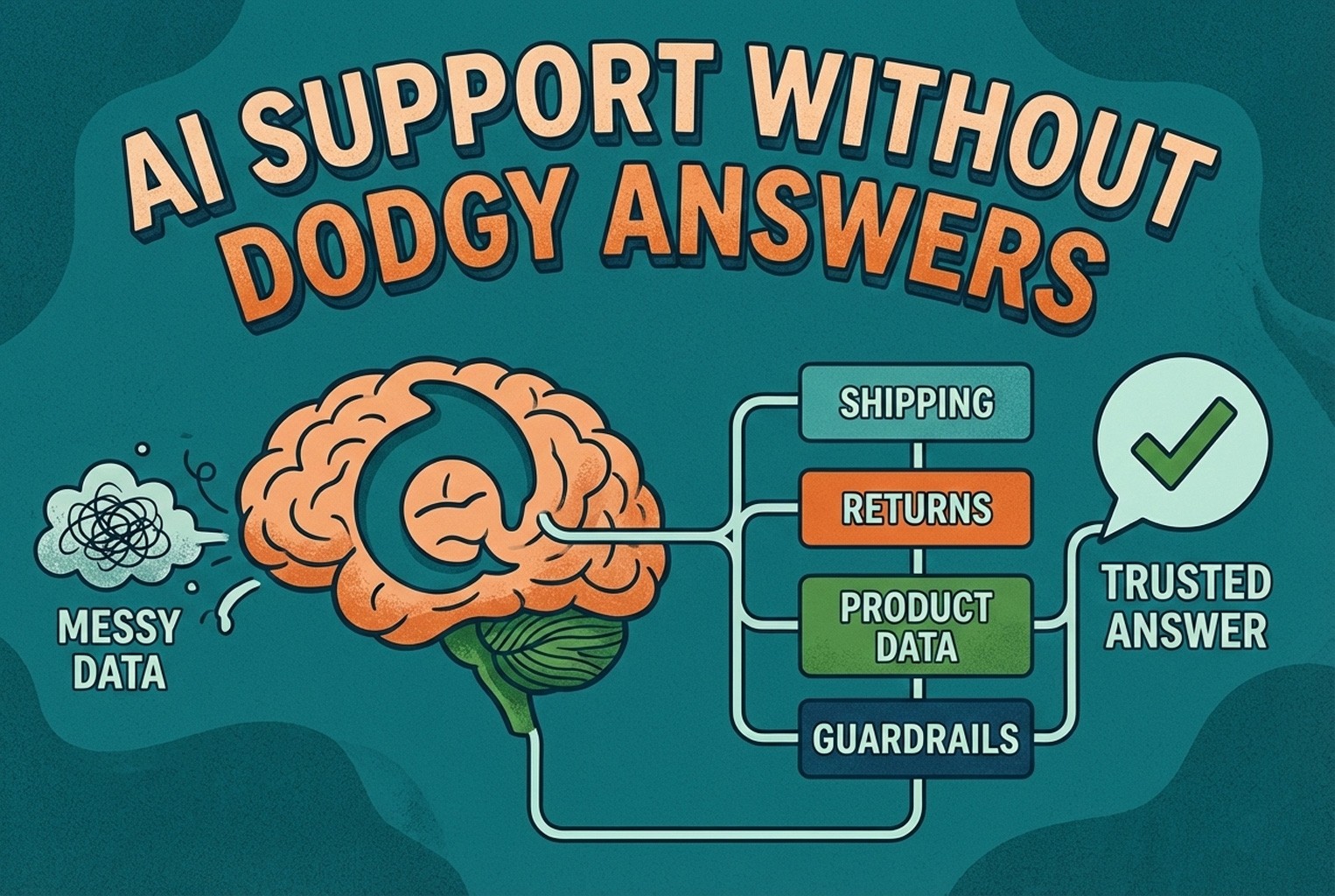
AI support usually fails when the knowledge behind it is messy. This guide shows how ecommerce teams structure shipping, returns, product data, guardrails, and human handoffs so answers stay accurate and policy-safe.
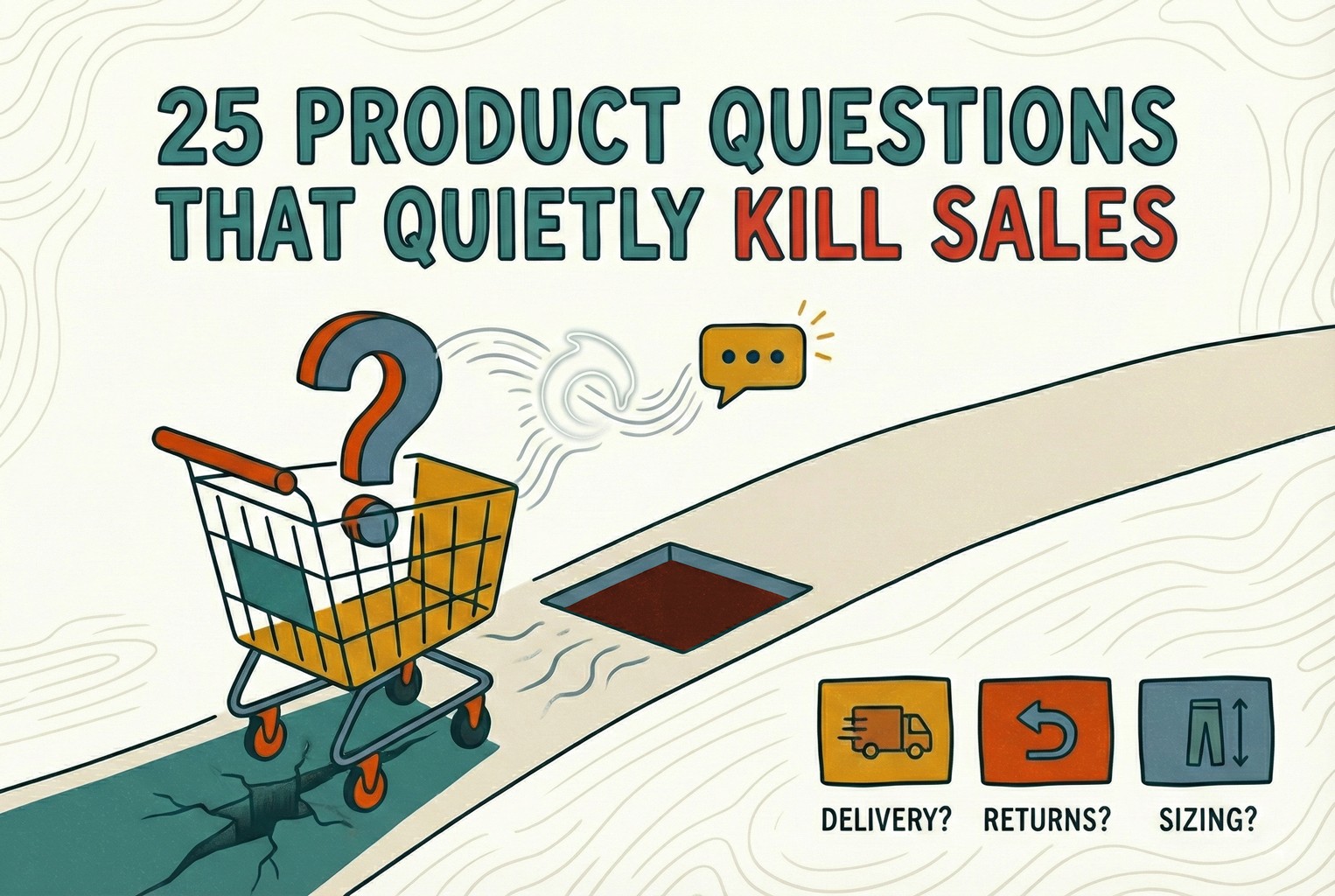
Shoppers rarely abandon because they dislike a product. They leave when delivery, returns, sizing, or compatibility answers are missing. This case study lists 25 sales-blocking questions and how synced knowledge keeps replies accurate.
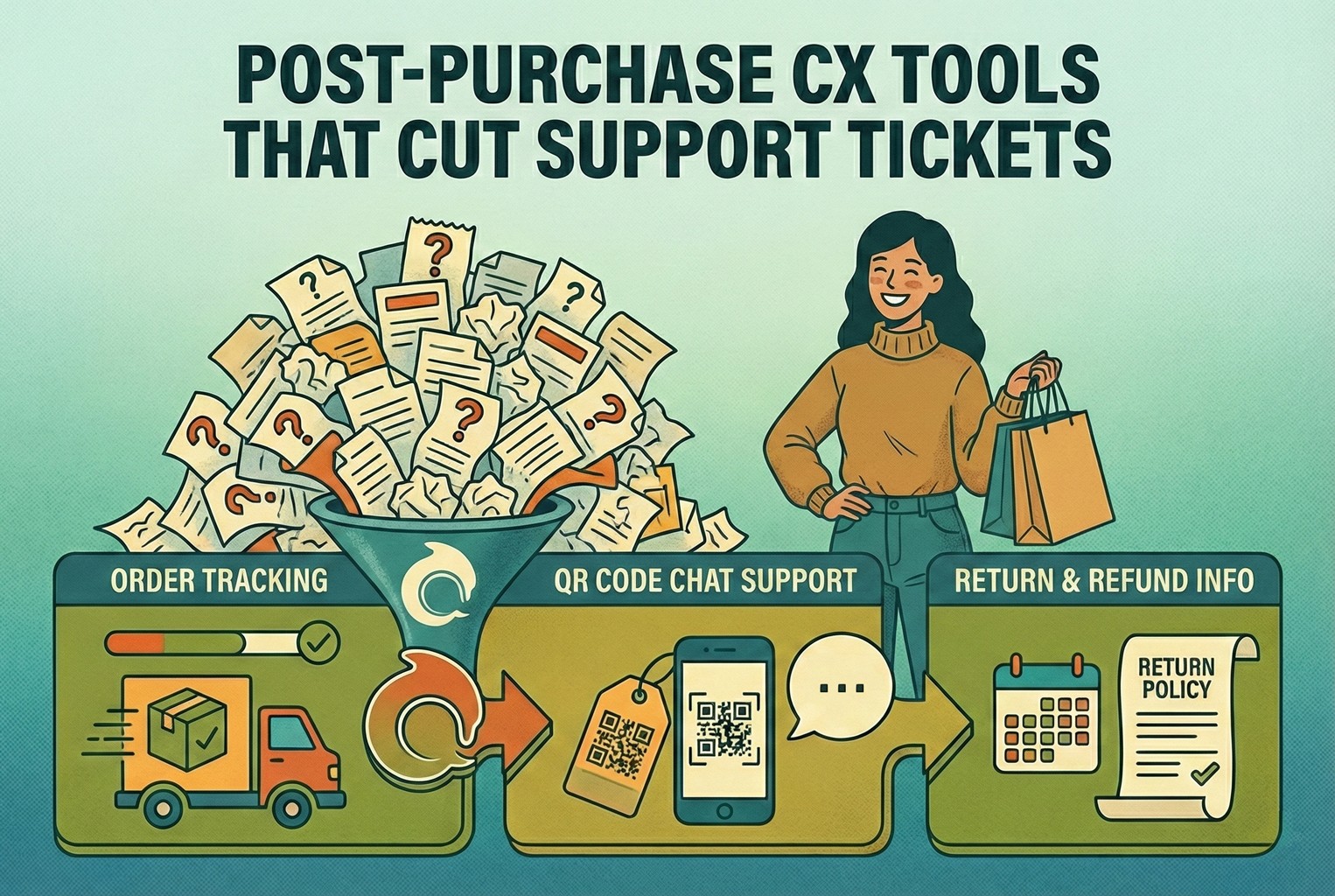
Post-purchase support often becomes most of the inbox: tracking, delays, returns, and refund follow-ups. This playbook shows the simplest tools retail teams use to deflect repeat tickets and keep expectations clear.
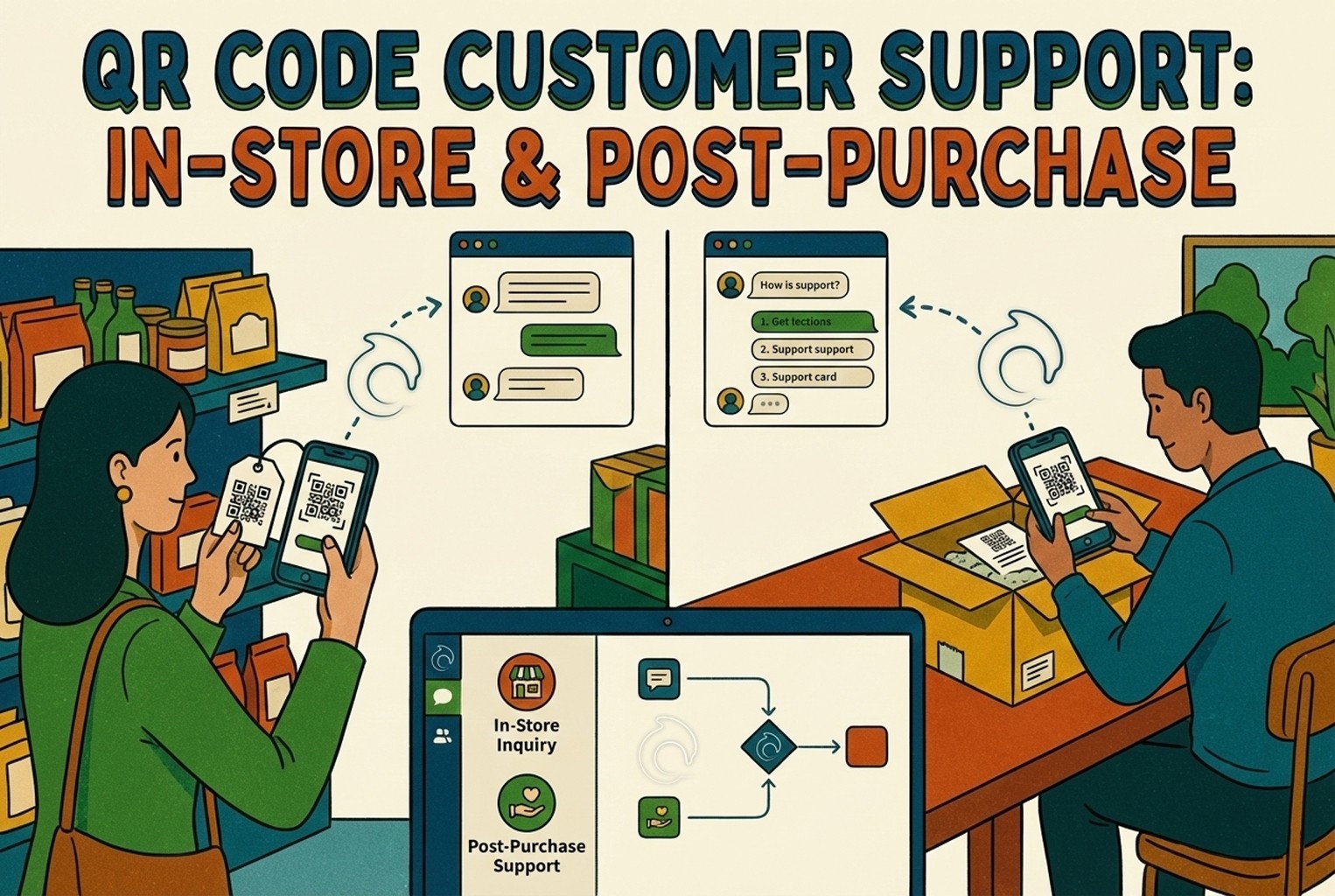
Hard-to-find staff in-store and post-purchase questions flooding email? This playbook shows where to place support QR codes, what scans should open, and how to route chats into one shared inbox with human handover when needed.
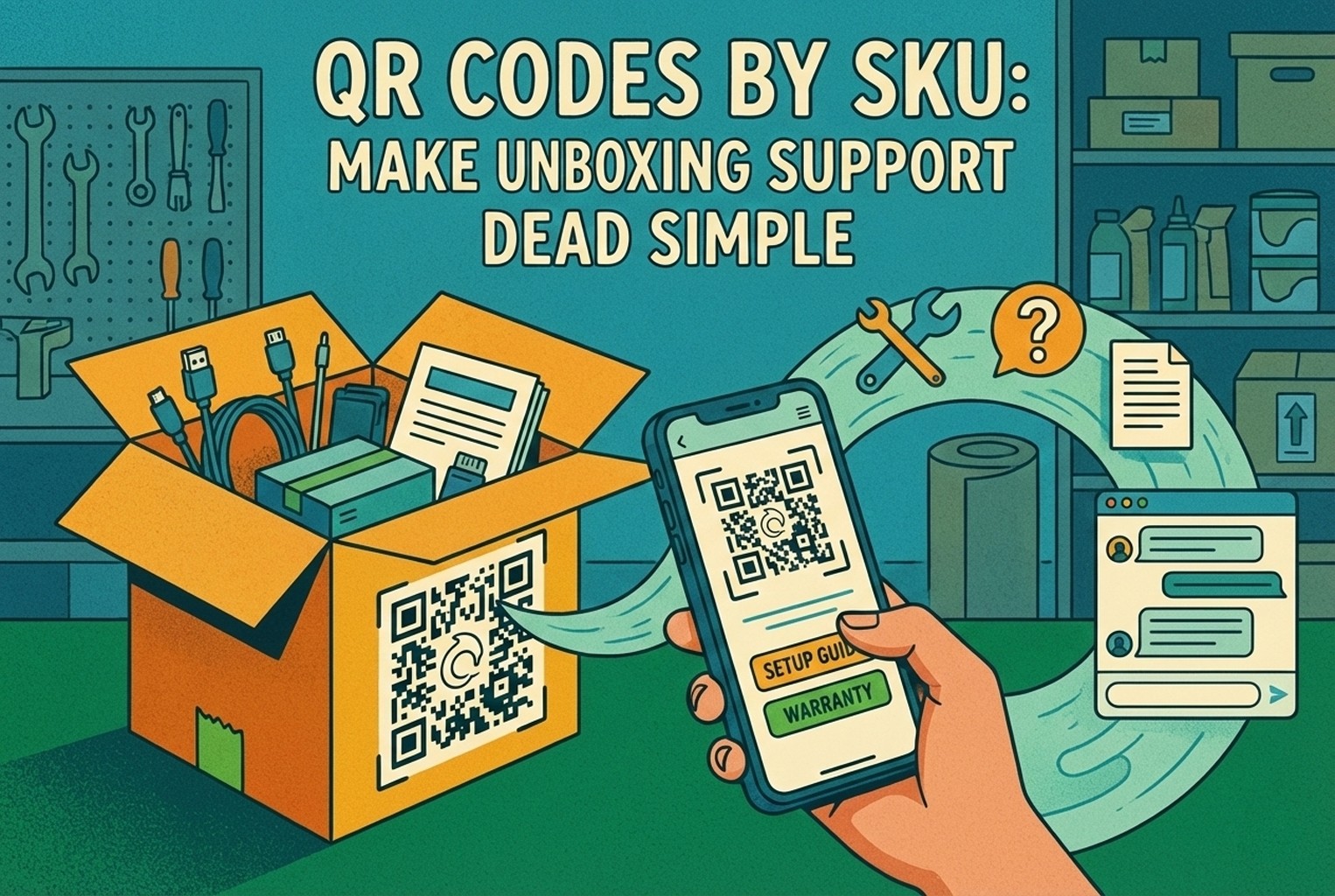
Unboxing support breaks when agents cannot tell which variant a customer holds. This guide shows how SKU-level QR codes on packaging open the right help, with placement tips, static vs dynamic choices, and rollout templates.
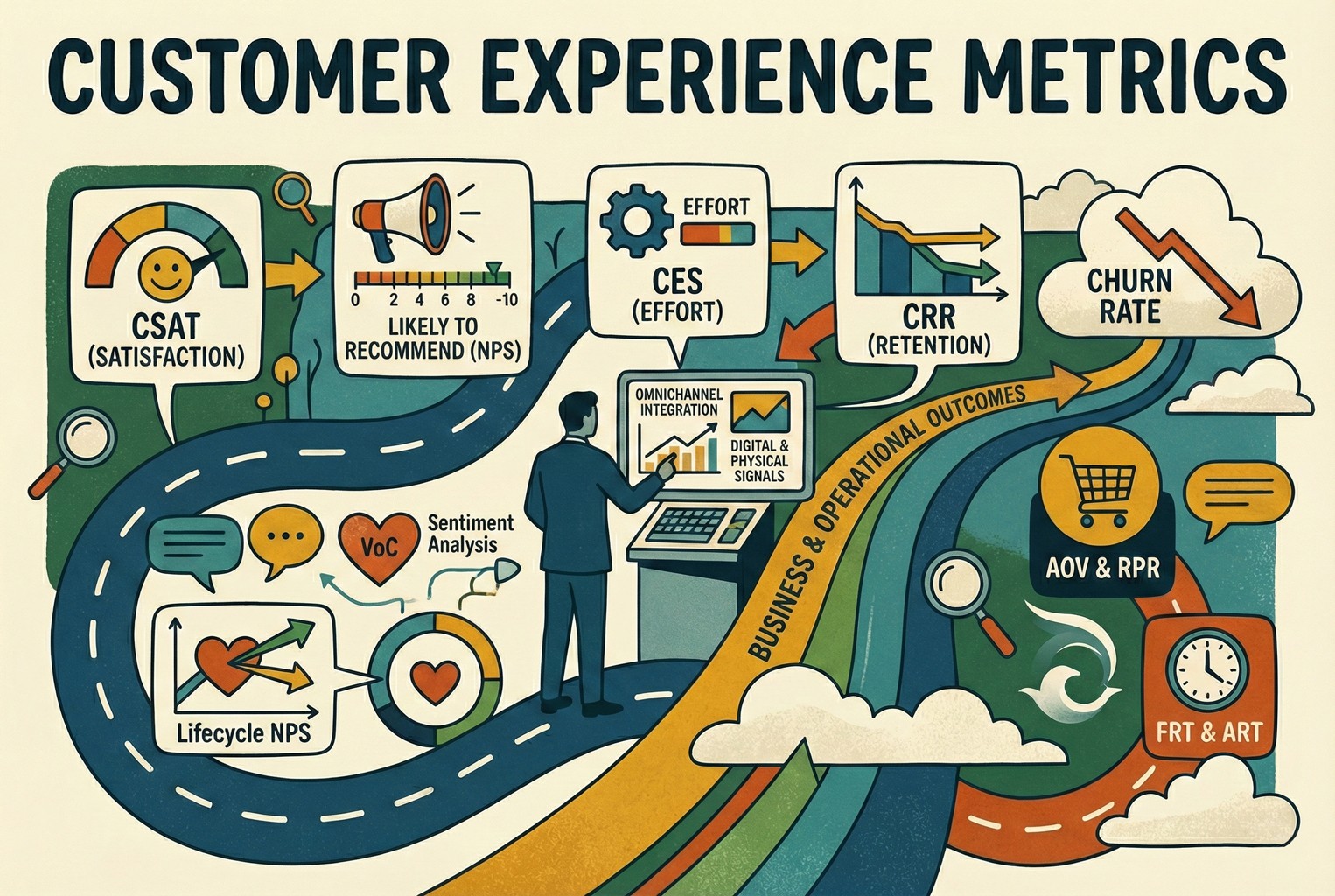
Which customer experience metrics are worth measuring, what each one tells you, and how to track them across digital, physical and omnichannel touchpoints.
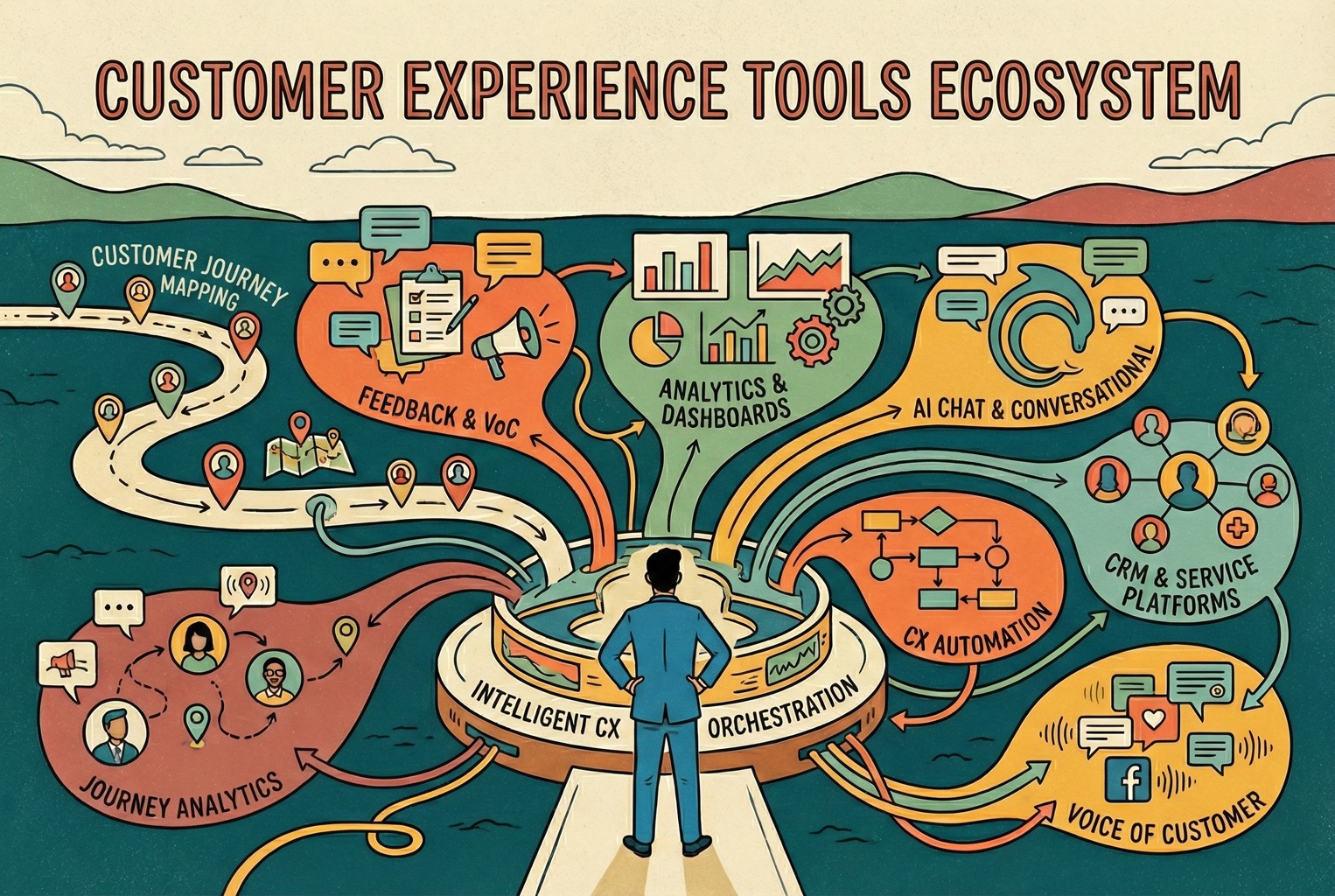
You do not need a forty-tool CXM stack. This guide maps the practical customer experience tools ecommerce and retail teams use for chat, email, QR support, approved knowledge, and human handover.
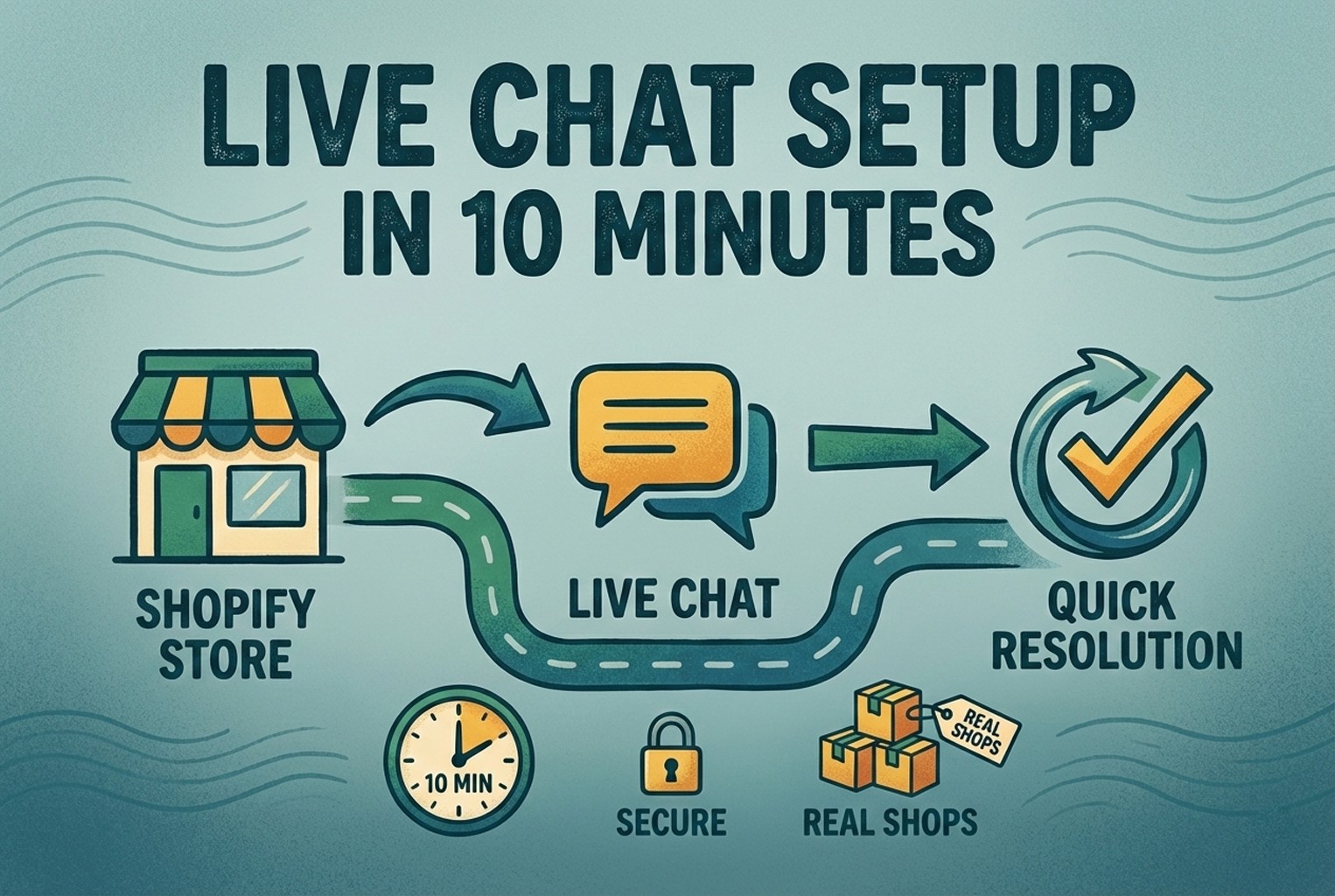
A case-study style checklist for merchants who need live chat running fast without creating another inbox headache. See the settings, routing choices, and reply habits that improved response quality in real Shopify stores.
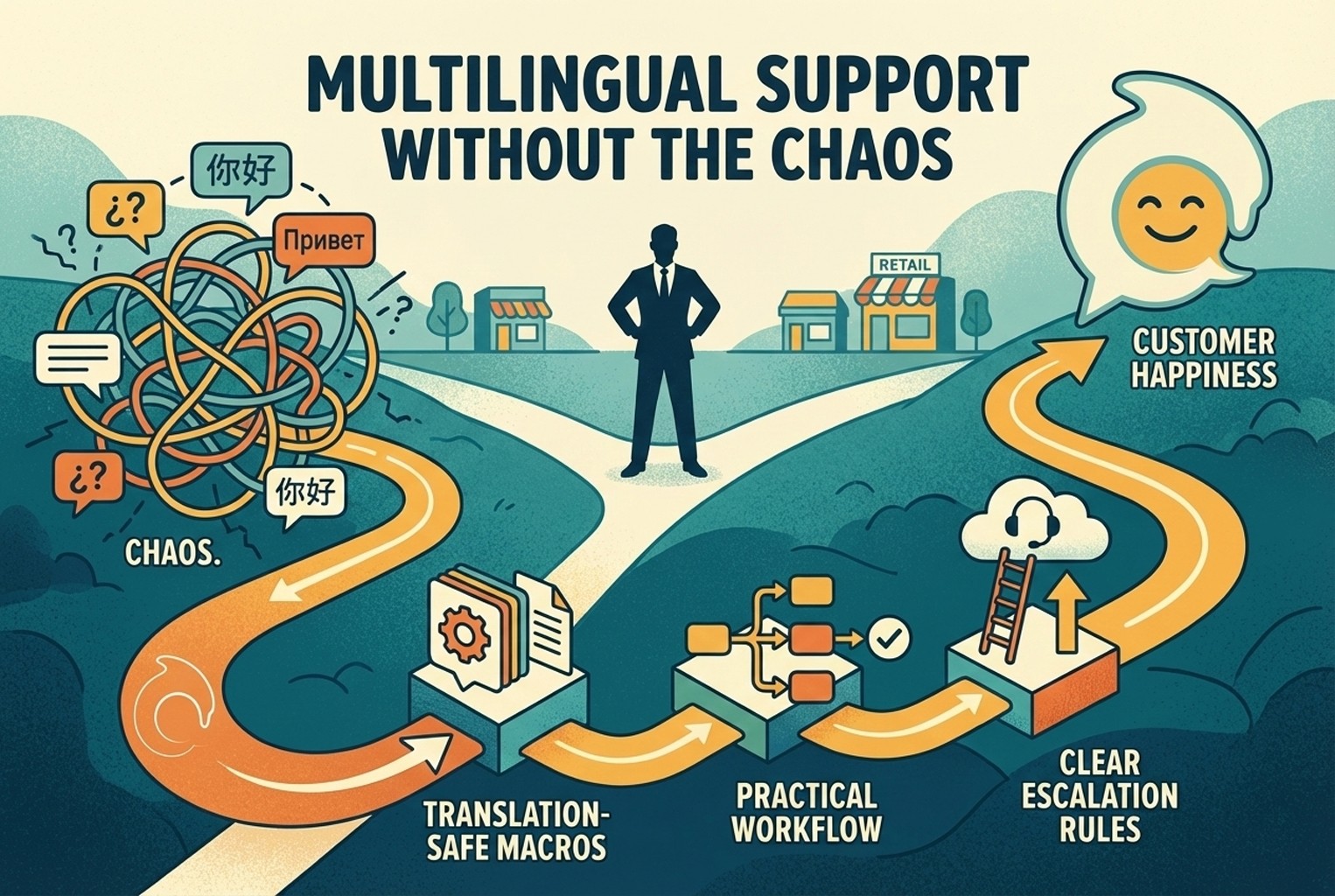
Selling across borders should not turn support into chaos. This playbook shows how retail teams handle multilingual chat and email with translation-safe macros, clear escalation rules, and QA habits that protect quality.
Stop losing the quiet ones.
Install it in a minute. It starts working on your next visitor.