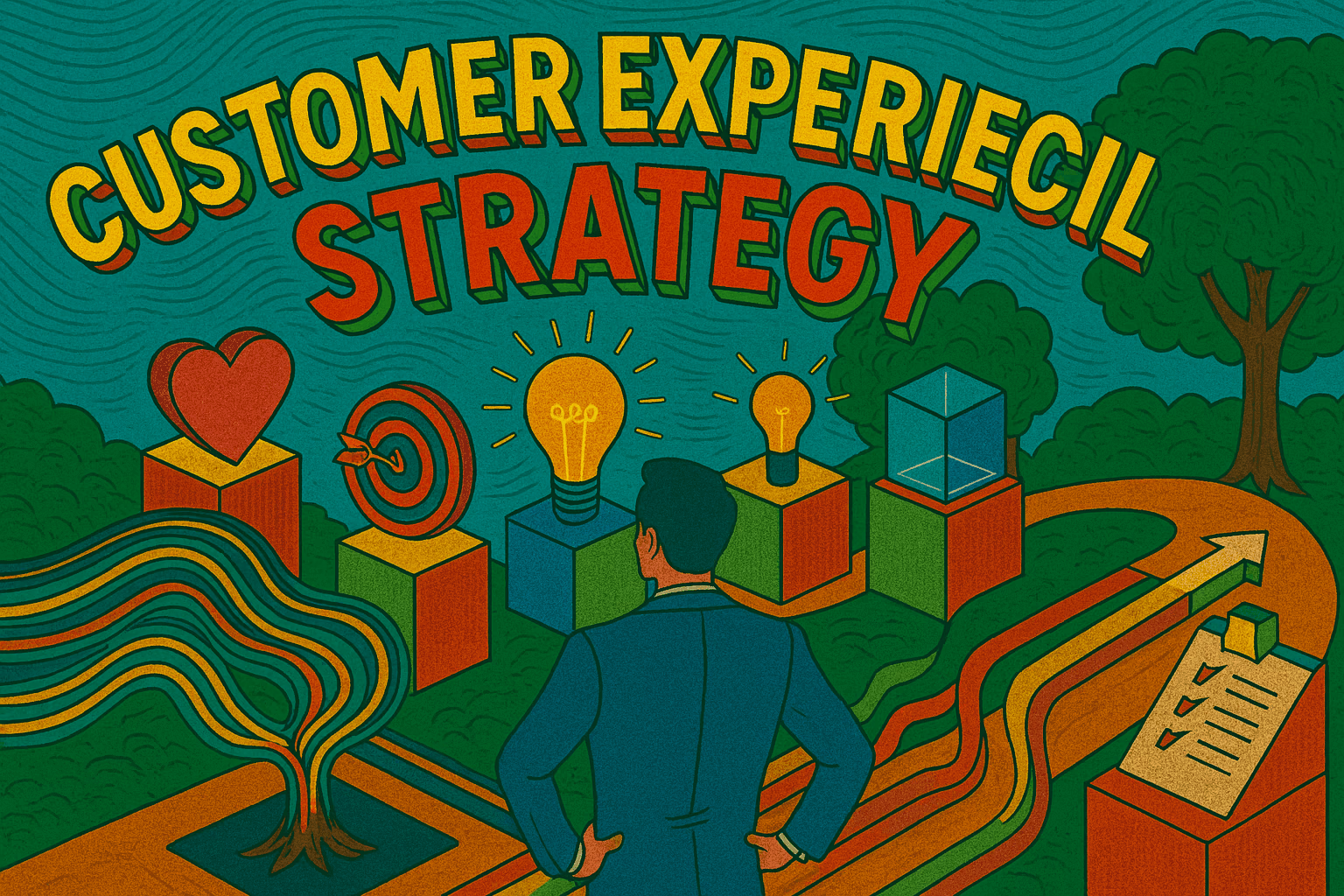
What Is a Customer Experience Strategy?
A customer experience (CX) strategy is the framework a business uses to deliver positive, consistent interactions at every touchpoint and to keep improving those experiences and relationships over time.
It combines customer understanding, operational clarity, and continuous improvement.
Every strong CX strategy connects what your brand promises with how customers actually feel.
Why CX Strategy Matters
We’ve all been there: waiting on hold, repeating details to multiple agents, or getting stuck in a confusing website flow. These moments don’t just waste time, they break trust. On the flip side, think about the last time a company anticipated your needs, solved your problem quickly, and made the interaction effortless. That experience probably earned your loyalty.
The difference between these two outcomes isn’t luck. It’s strategy.
A customer experience (CX) strategy is what separates companies that stumble through interactions from those that design them with care. It’s not a one-off project or a set of slogans, it’s the framework that guides how a business delivers consistent, positive experiences at every touchpoint and improves them over time.
Customers expect more. They want friction-free, personalised journeys.
Experience is the differentiator. When products and prices are equal, experience wins.
CX drives growth. Positive experiences increase retention, referrals, and lifetime value.
It aligns teams. A clear strategy unites marketing, product, and service behind one goal.
The 7 Pillars of a CX Strategy
Vision & Principles: Define the experience you promise, rooted in brand values.
Customer Understanding: Personas, journey maps, and feedback loops.
Experience Design: Shape digital and physical touchpoints to feel effortless and connected.
Operations & Governance: Processes and roles that ensure accountability and consistency.
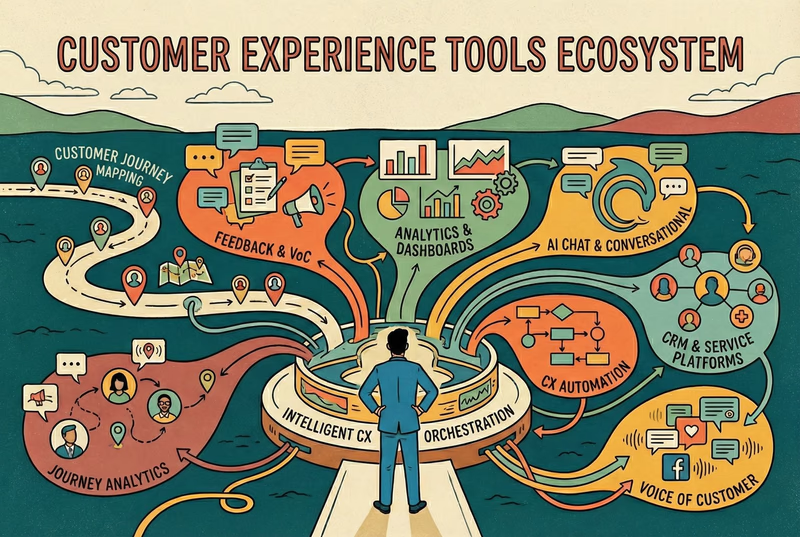
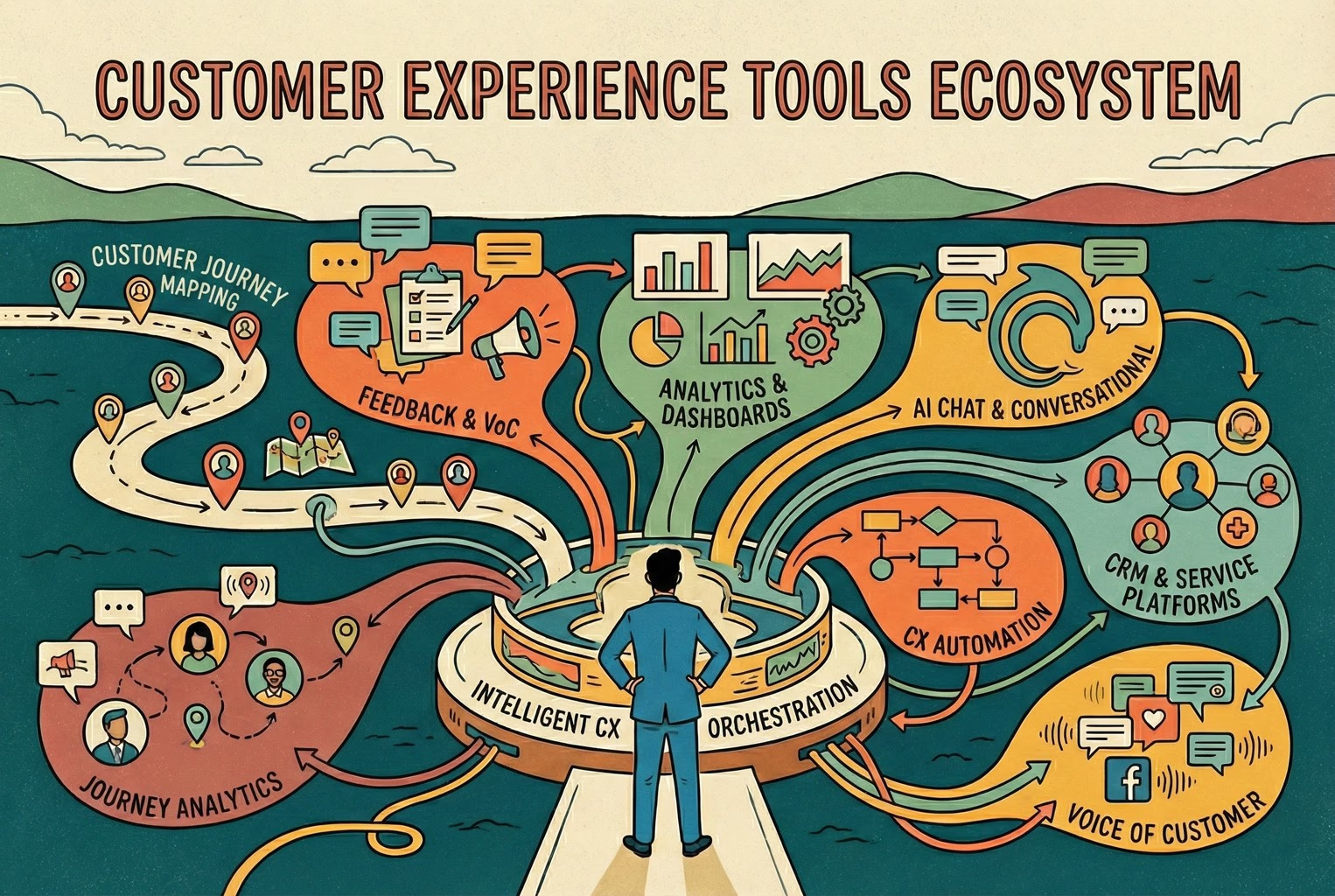
Technology & Data: CXM, AI chat, live chat, and analytics dashboards that enable scale.
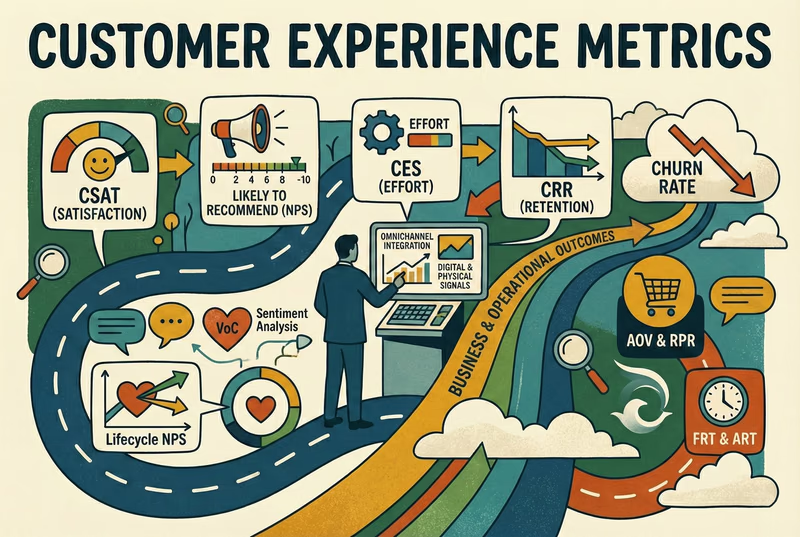
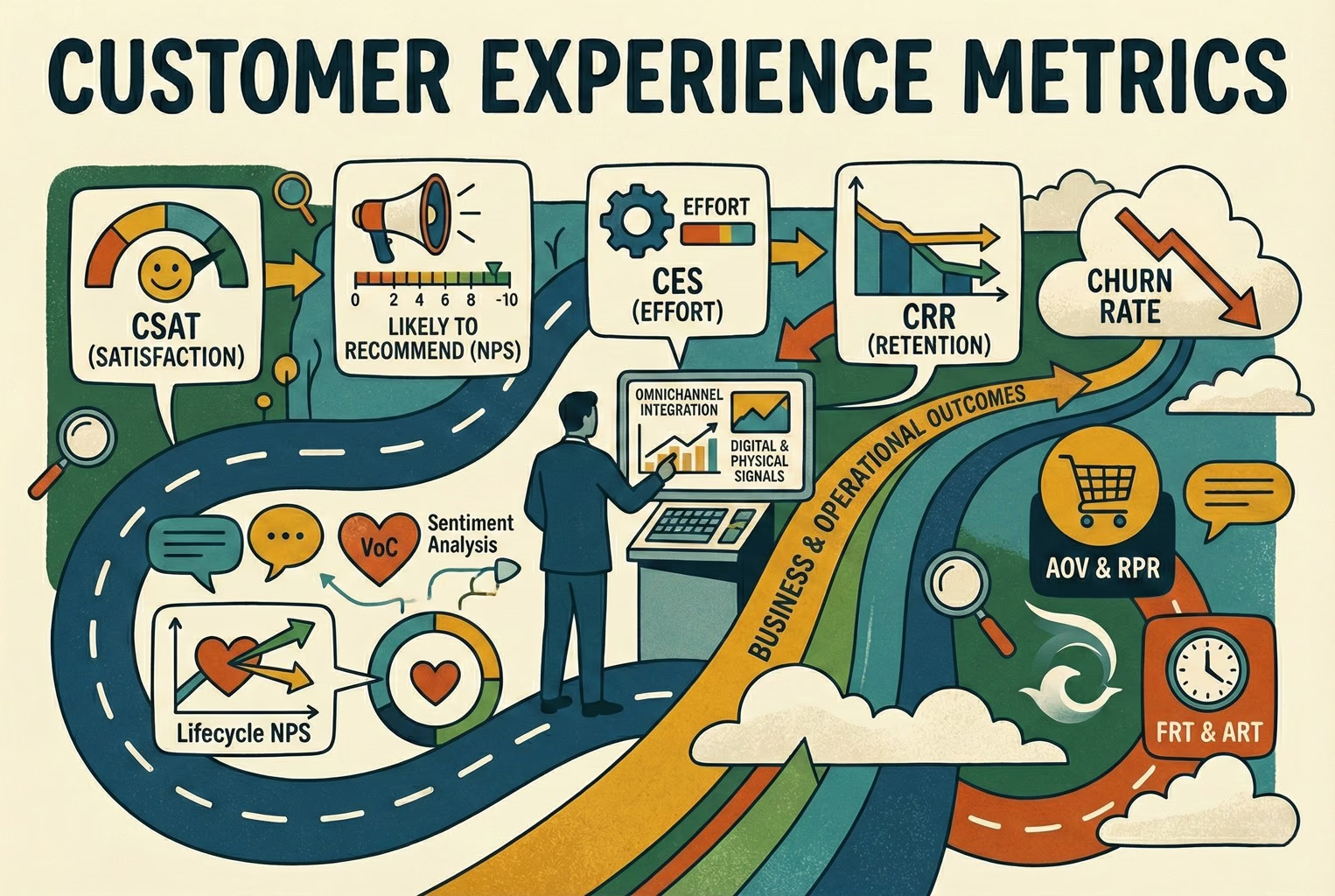
Measurement & KPIs: Track CSAT, NPS and CES.
Culture & People: Empower teams to act with empathy and solve problems.
These pillars are the foundation; the next section is the blueprint that brings them to life.
The Step-by-Step Blueprint for Building a CX Strategy
Define Your CX Vision: Short, memorable, value-based. Example: "Make every interaction effortless."
Map the Customer Journey: Awareness → purchase → onboarding → support → loyalty; identify "moments of truth."
Select Priority Metrics: Focus on CSAT, NPS, CES, and retention.
Design Omnichannel Experiences: Ensure continuity between digital and physical touchpoints.
Enable with Technology: Use CXM software.
Train & Empower Teams: Empathy, listening, and ownership.
Establish Governance & Accountability: Assign leaders to own feedback and drive action.
Launch Pilot Programs: Start small, learn fast.
Measure, Optimise & Close the Loop: Collect → analyse → adapt → communicate improvements.
Scale & Embed into Culture: Integrate CX into onboarding and daily workflows.
CX Happens
Sometimes, CX just… happens.
Like when a coffee shop barista remembers your order before you speak, or when a chatbot solves your issue faster than a human once did.
These small moments aren’t random, they’re the result of a strategy that listens, learns, and flows.
That’s what great CX strategy achieves: turning ordinary interactions into effortless moments that feel personal.
And yes, when it goes wrong, we’ve all screenshotted that support chat for the group chat.
CX Strategy in Action
SaaS: NPS feedback shapes the product roadmap.
Retail: Online and in-store experiences sync seamlessly.
Startup: AI chat scales support while culture stays human.
Common Pitfalls
Treating CX as a project instead of a practice.
Tracking metrics without action.
Buying tools before defining strategy.
Keeping CX siloed instead of cross-functional.
Evolving Your CX Strategy
Customer expectations evolve constantly.
The most successful organisations run a continuous improvement loop: measure → learn → adapt → repeat.
Emerging Trends
AI foresight: predicting needs before they’re expressed.
Emotional loyalty: building bonds on values, not discounts.
Proactive CX: preventing issues before they arise.
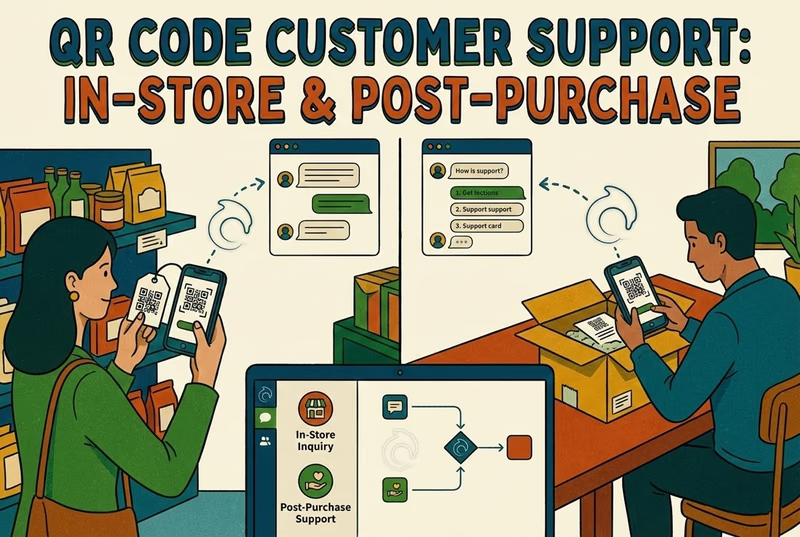
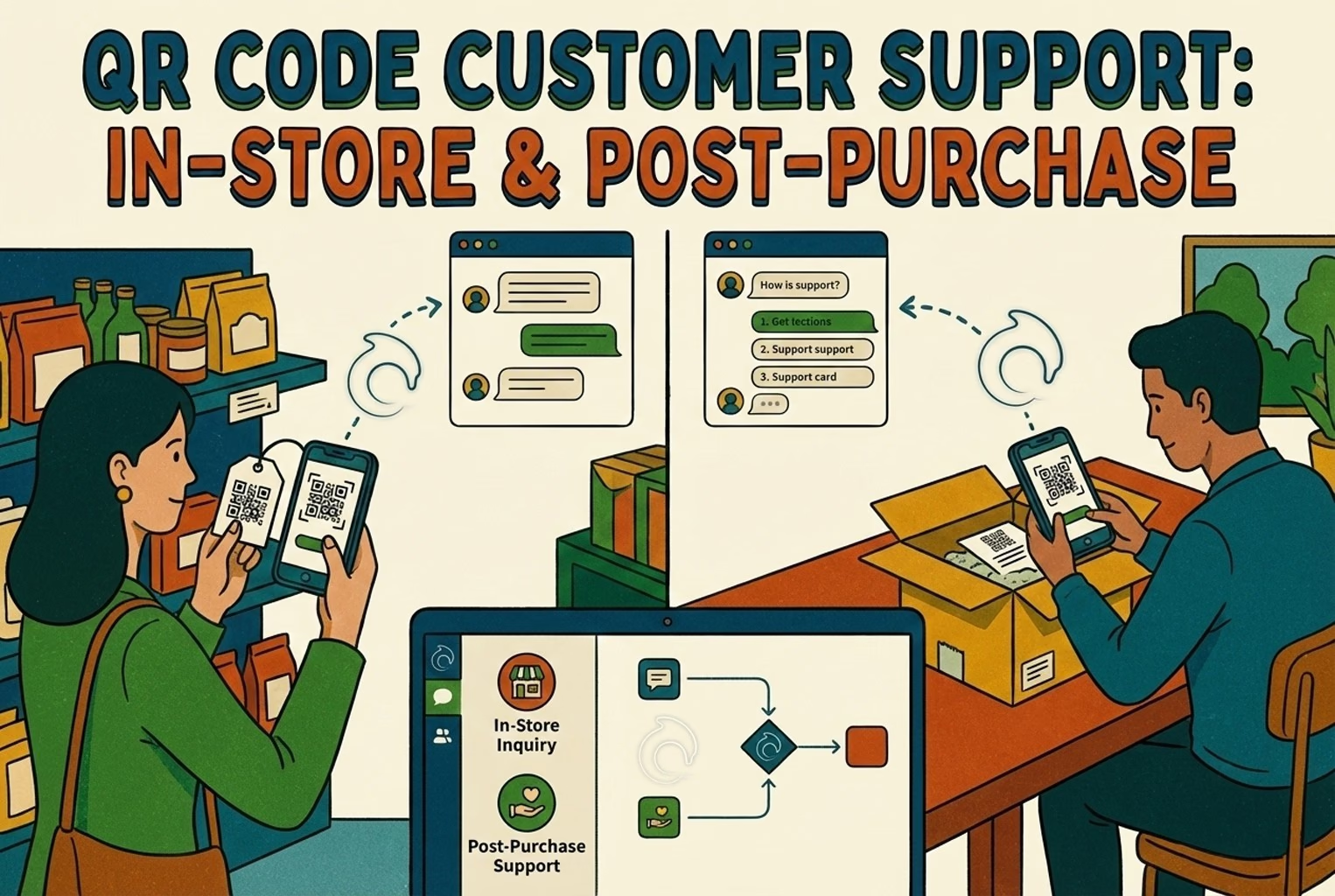
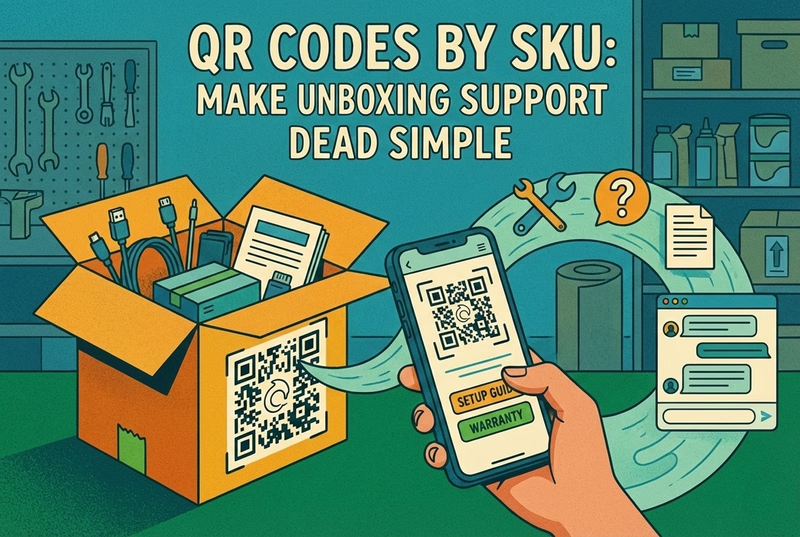
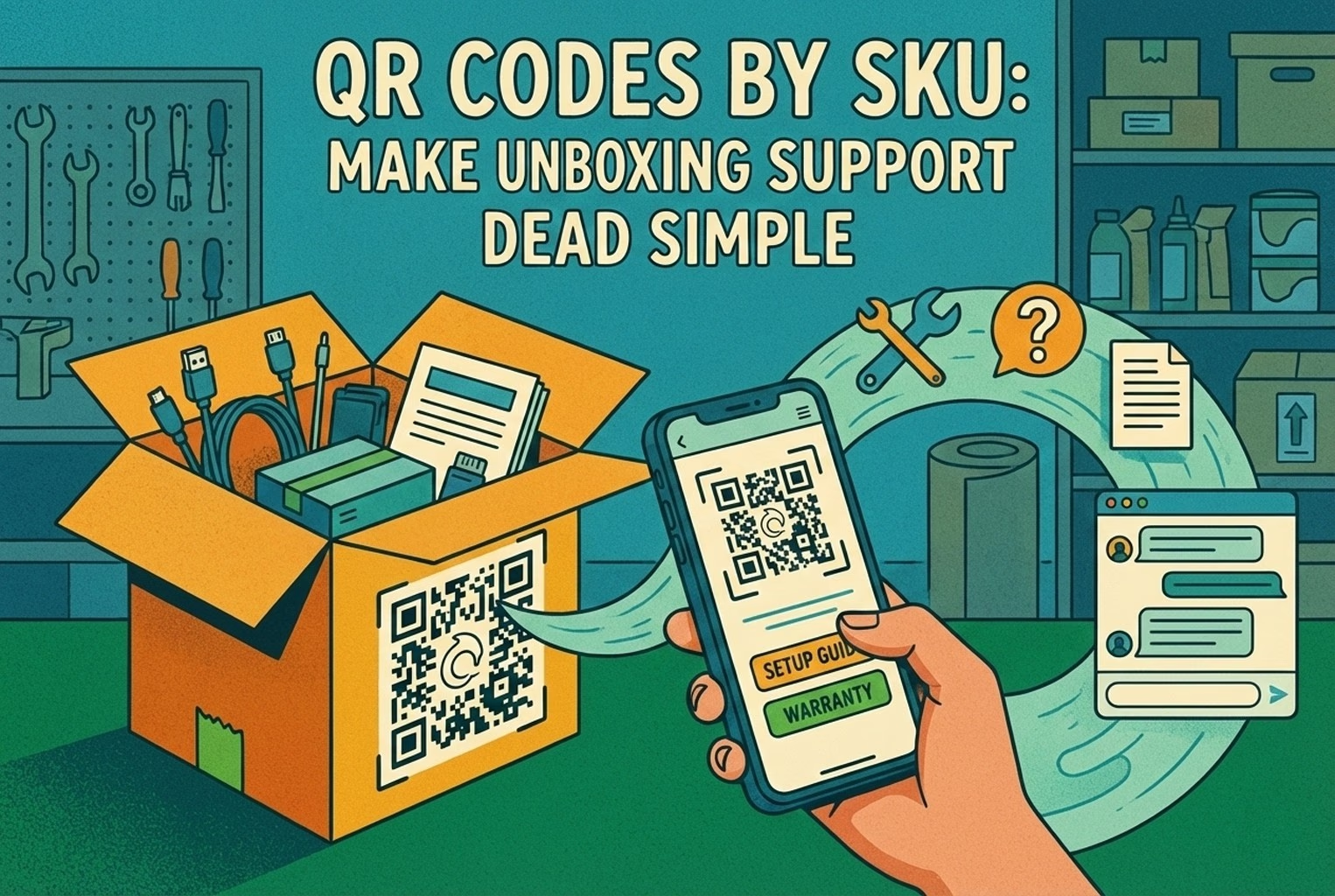
AskDolphin brings website chat, email, and QR-code conversations into one shared workspace, where Dolphin AI answers from approved business knowledge and hands the conversation to your team when a person is needed.
Flow Forward
A CX strategy is more than a framework, it’s the heartbeat of brand loyalty and sustainable growth. When people, processes, and technology move in sync, experience stops being a department and becomes a company-wide rhythm.
The brands that lead tomorrow are those that treat CX as a living system, one that flows, learns, and connects with every customer it touches.